
Madagascar’s Rising Tides of Waste
One tiny islands’ effort to turn back the tide
Nosy Be, Madagascar, 2019
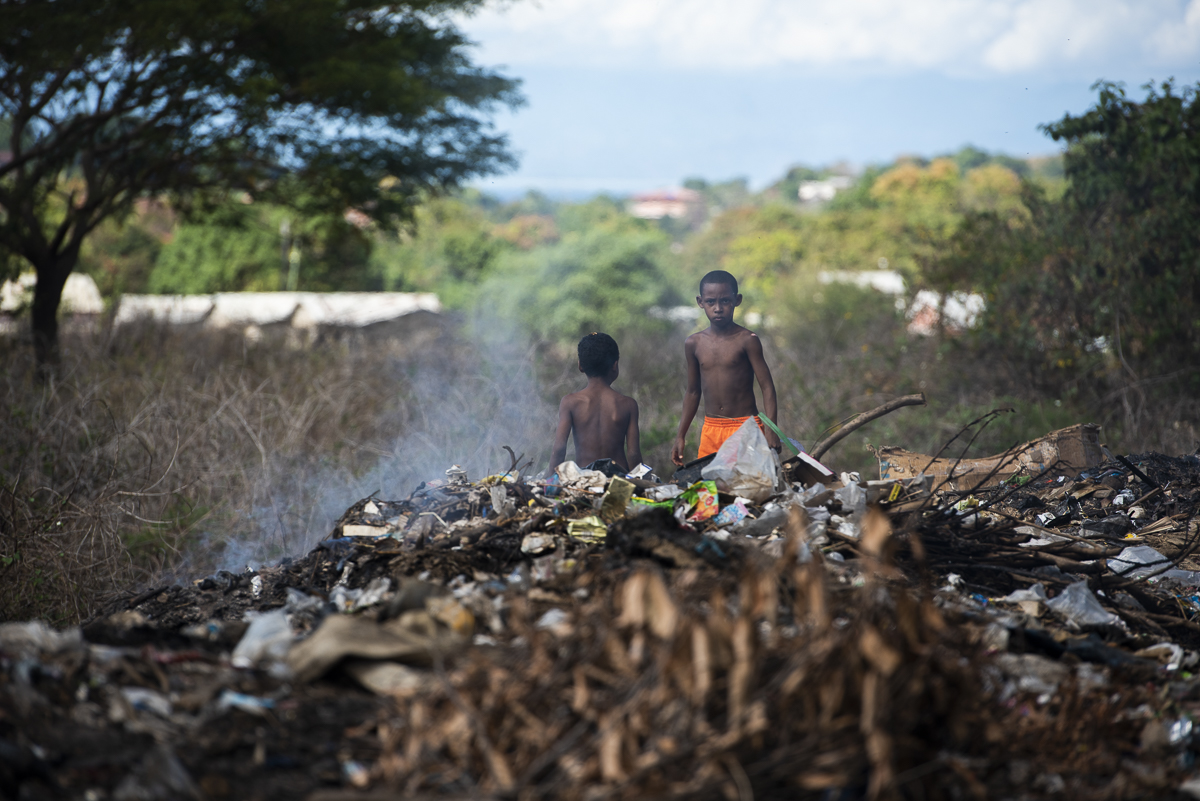
As I bumped along the dirt road on the back of a scooter, smoke catching in my throat, I caught glimpses of people, young and old, picking their way over burning mounds of waste.
It’s a heartbreaking image, but in reality it’s a daily sight as many depend on what they can scavenge from the mounds to reuse or sell on.
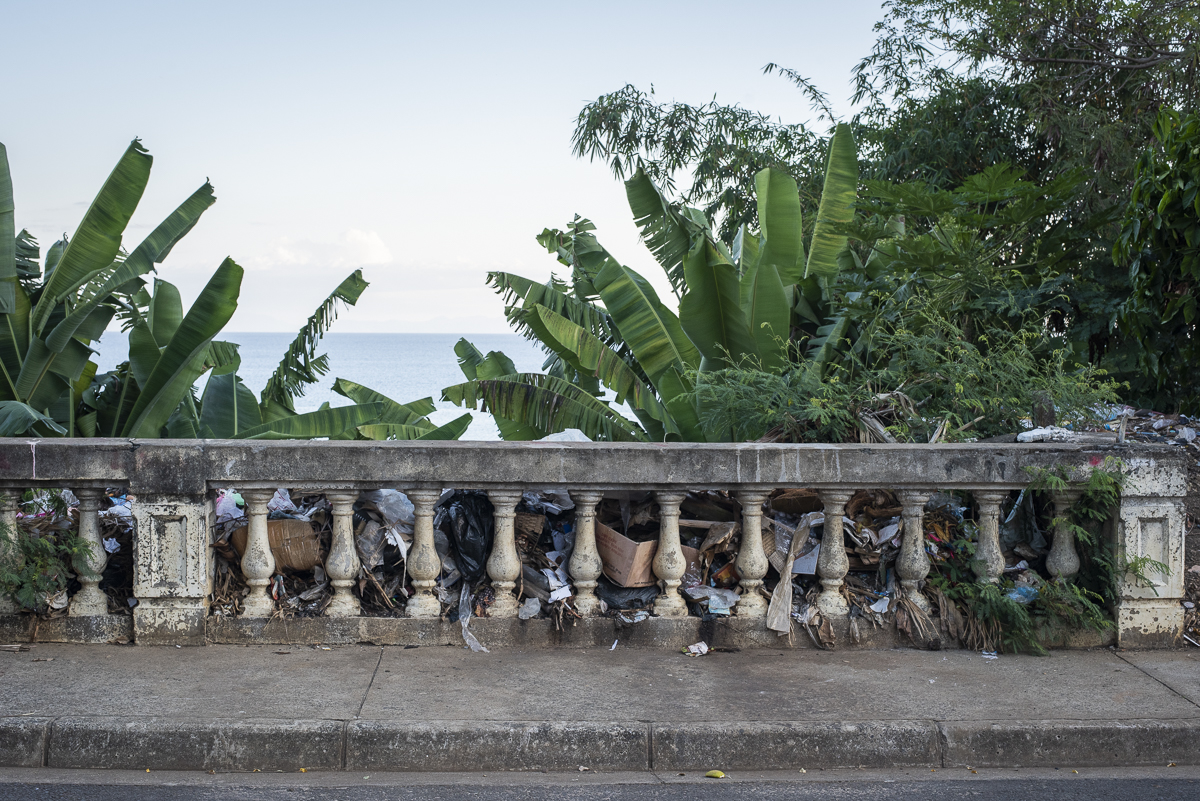
The plastic waste issue shouldn’t be news to anyone’s ears. It’s everywhere. And on the island of Nosy Be, Madagascar, it’s hard to miss. Socio-economic issues overshadow those of the environment and, with a lack of adequate government run waste management, many people discard their waste in the most convenient way possible. The majority of the time this means being thrown into waterways, over the side of walls or straight into the ocean.
After seeing these huge piles of waste I decided to look further into the issue and to find out more about the small schemes that have been set up to help tackle it.
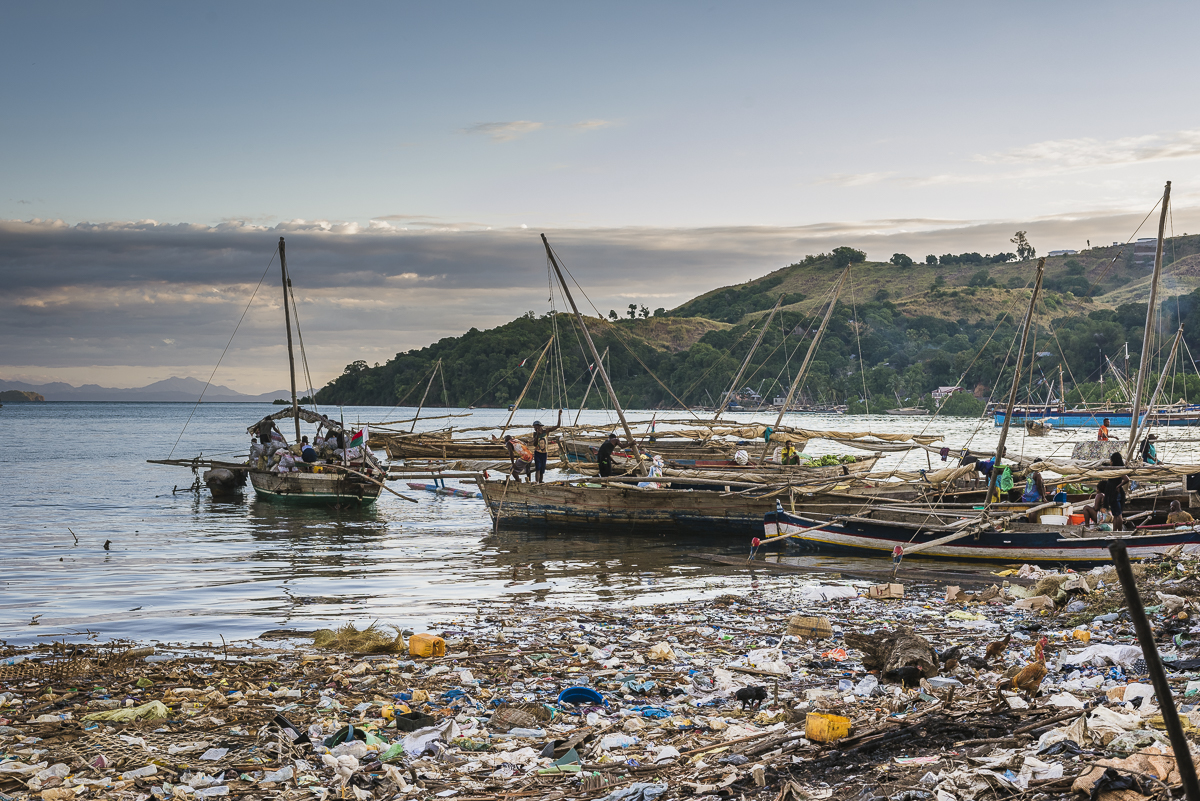
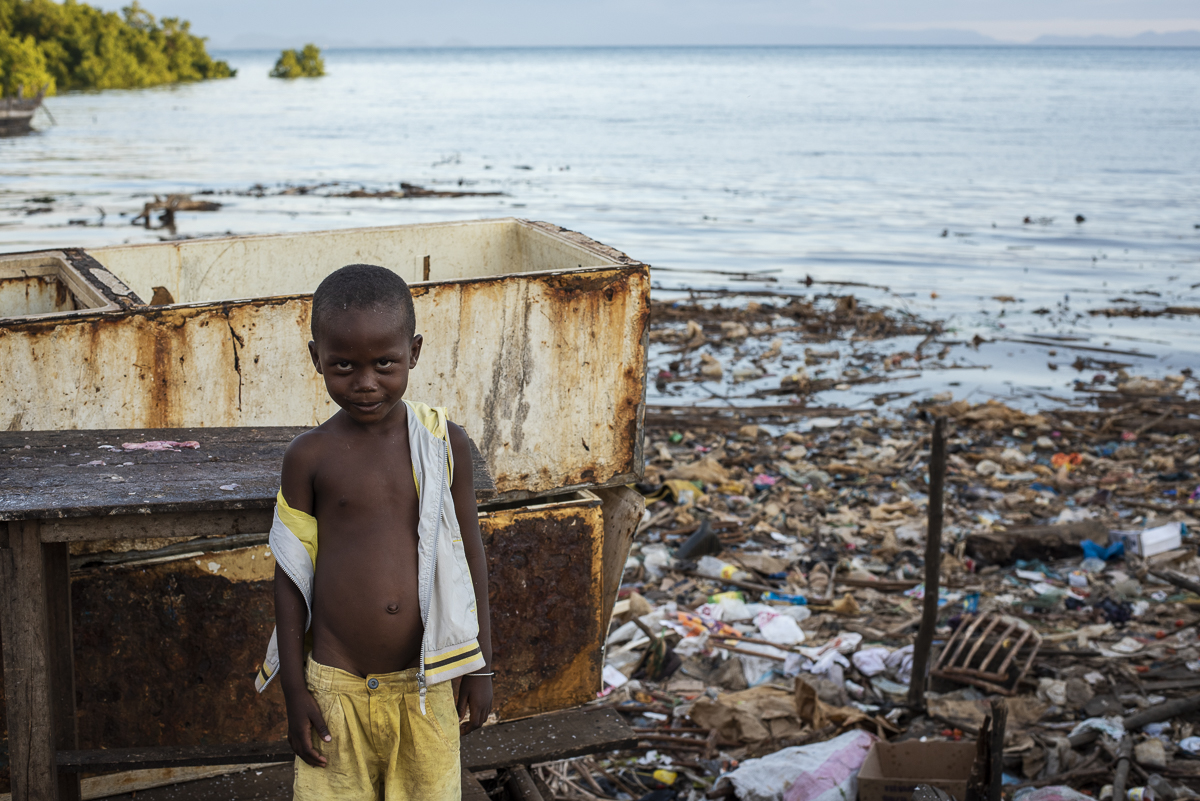
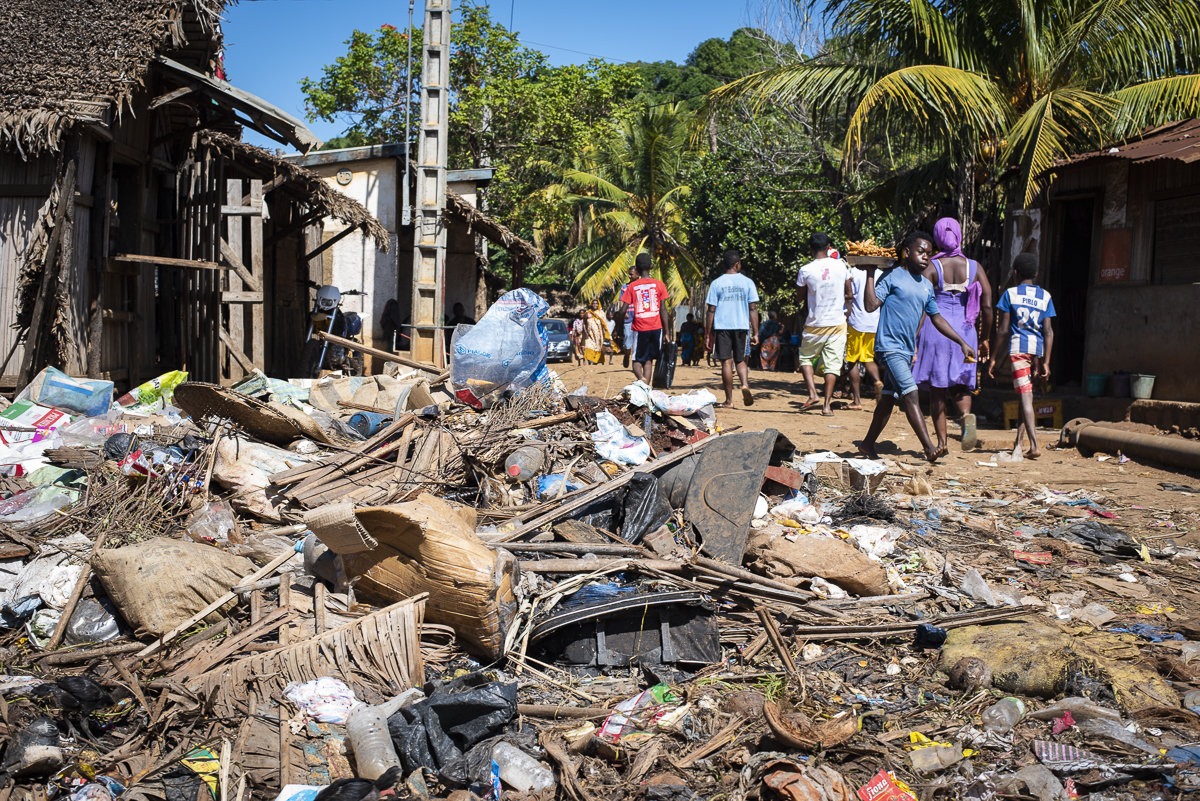
The government collects rubbish from the main market street for tourism benefits, yet just one street over people skirt round the growing piles of waste.
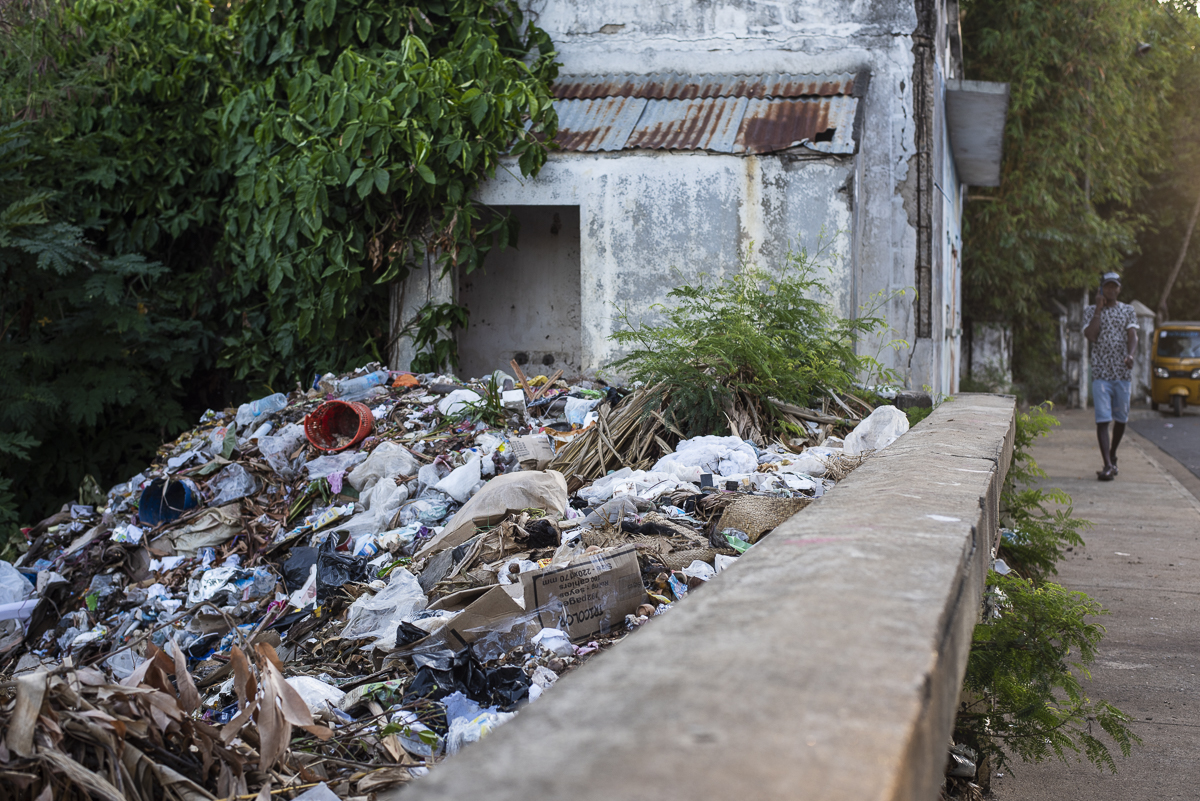
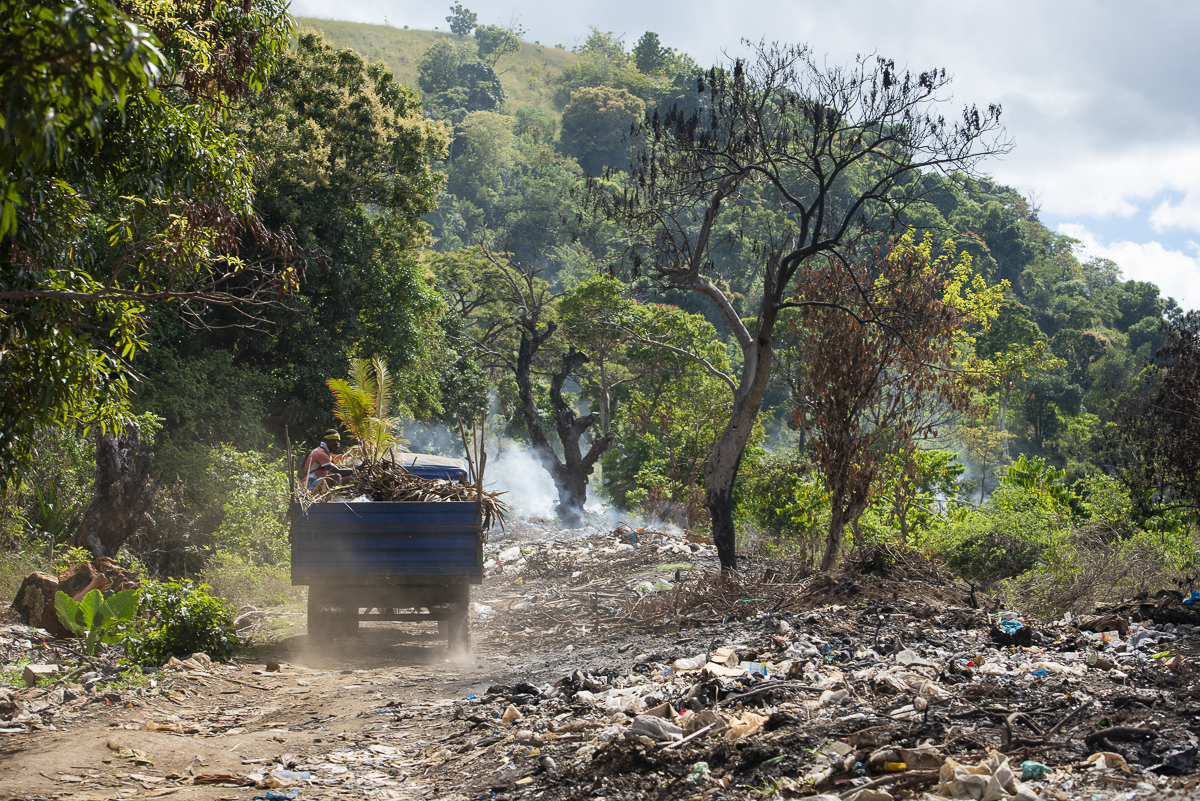
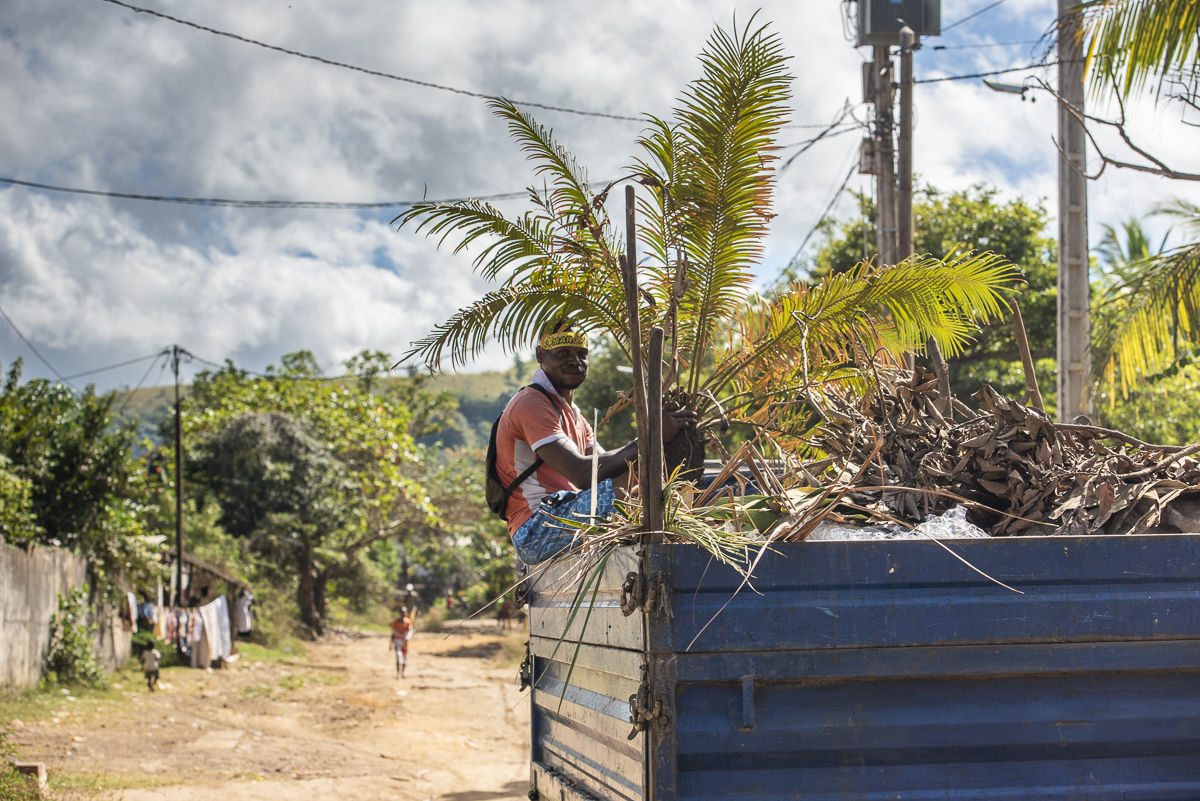
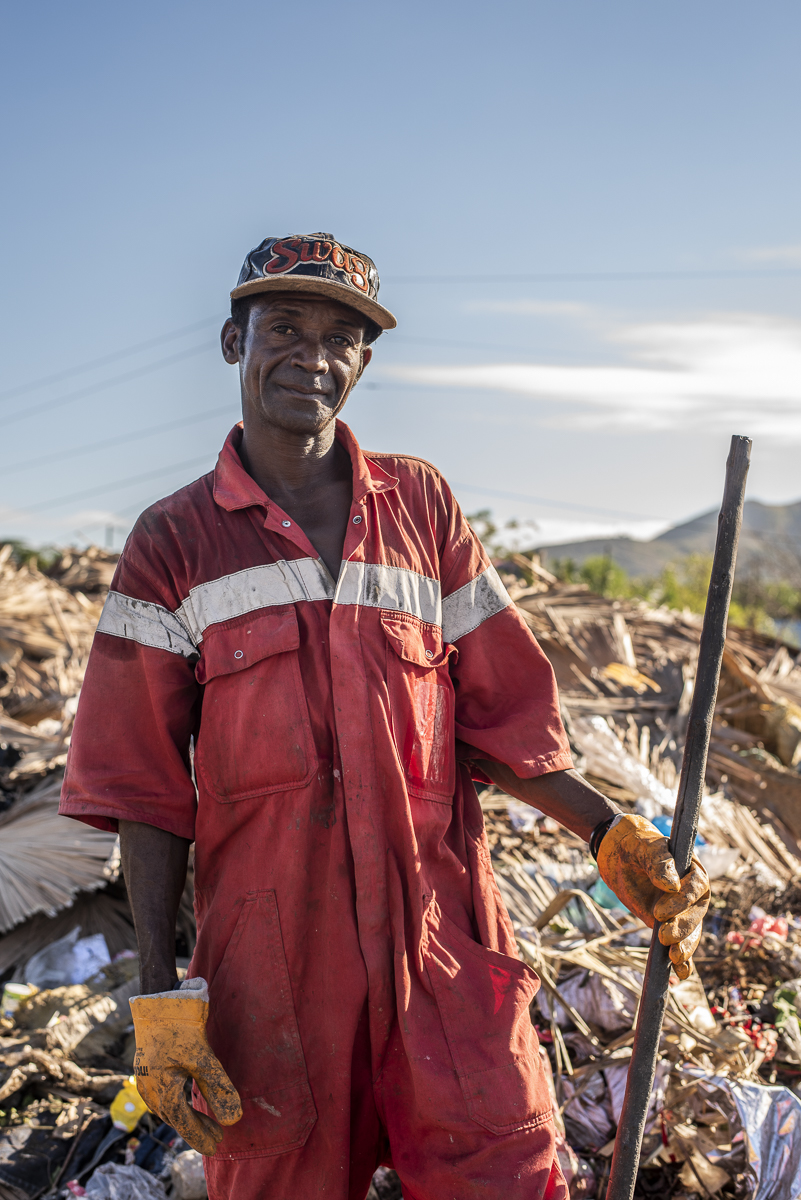
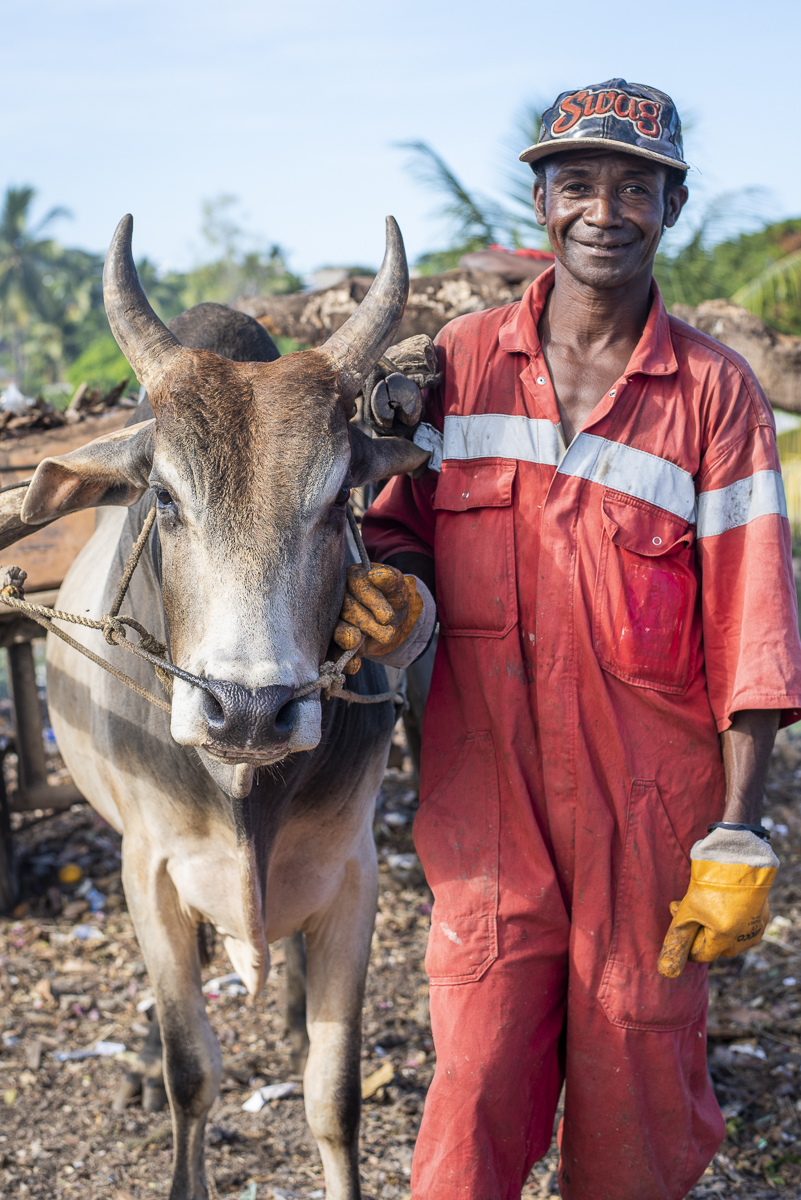
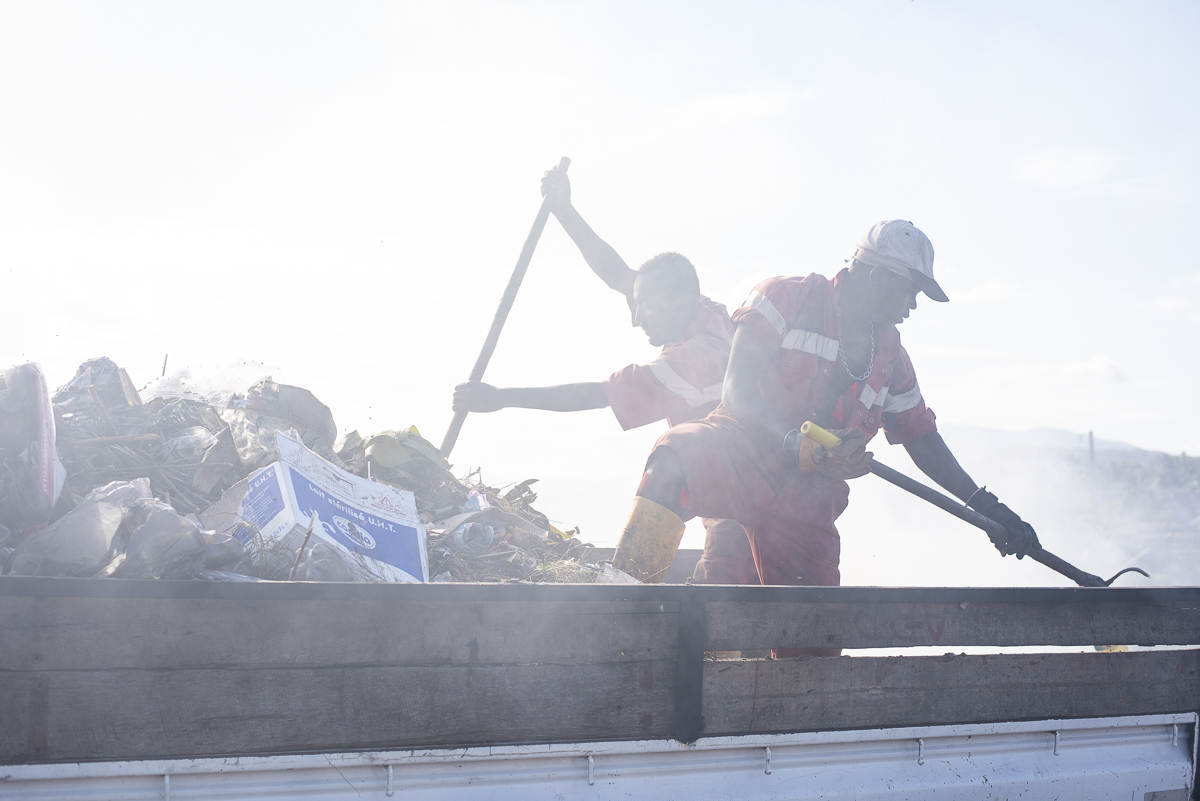
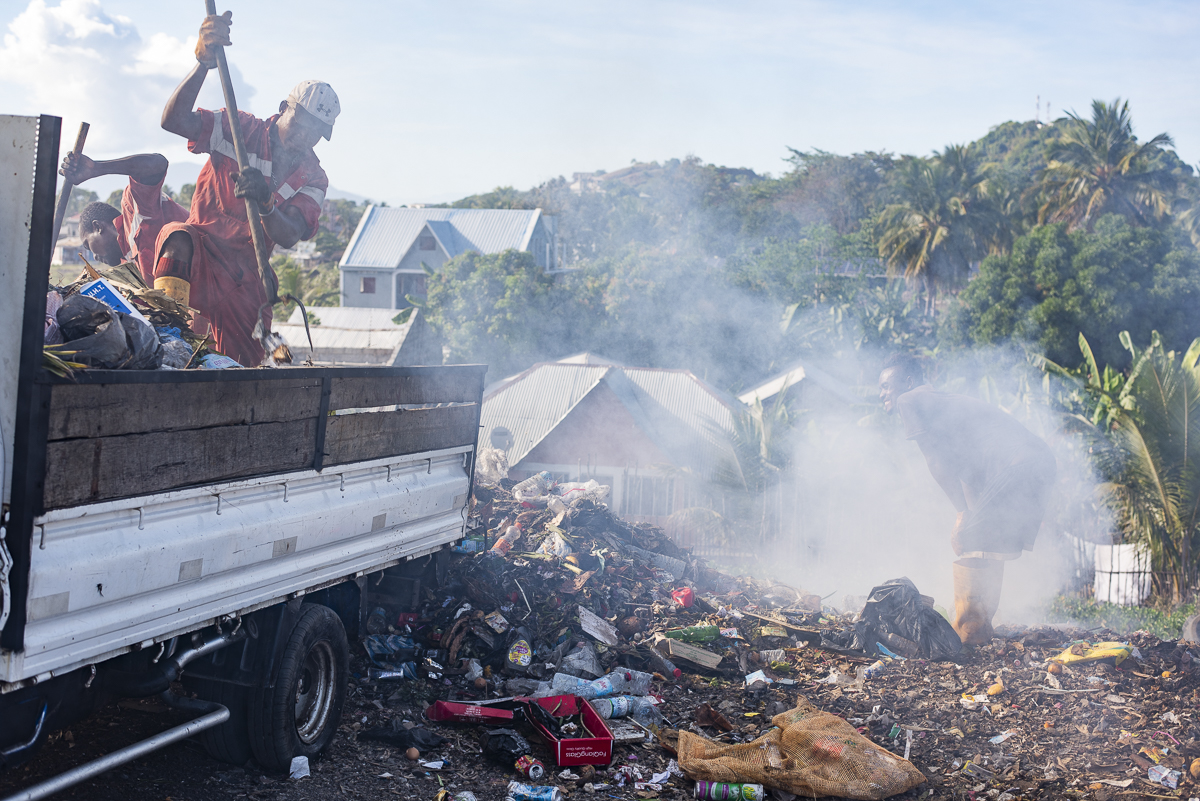
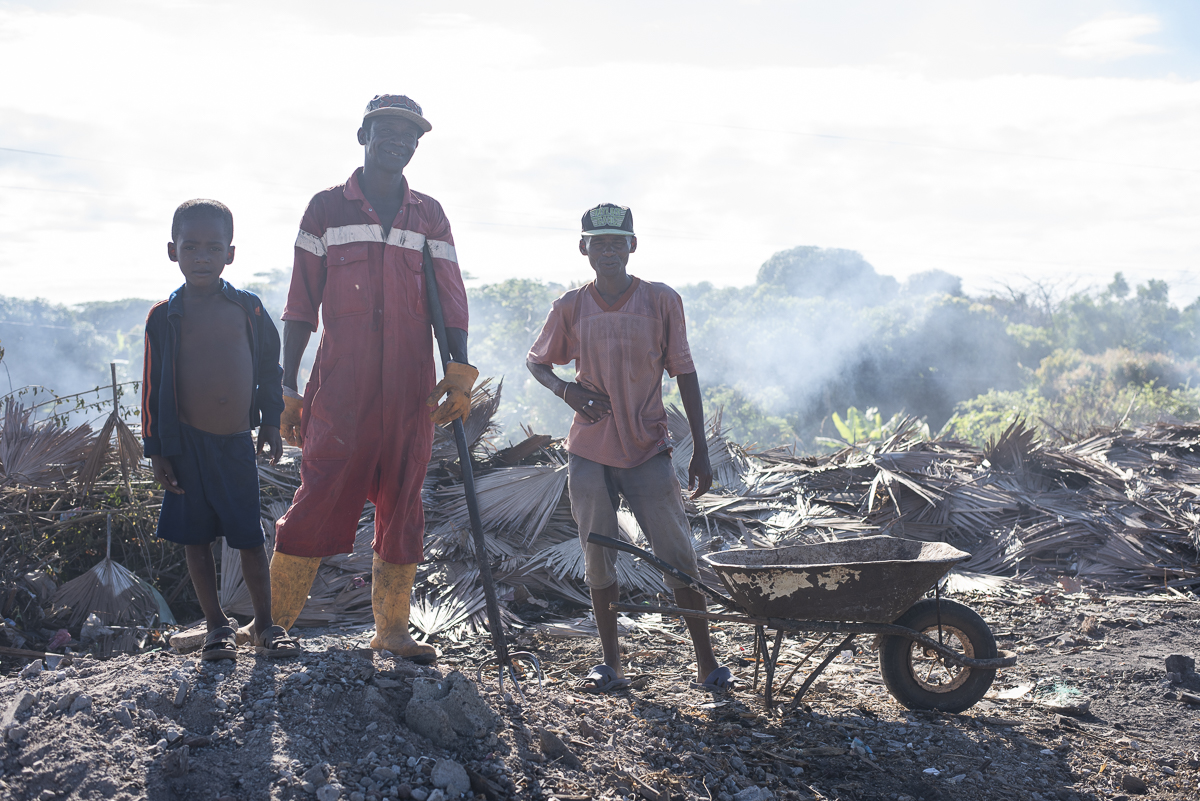
This is one of the government dumps, along the side of a dirt track used to get to the next village. Here the employees find a space to dump the contents of the trucks before setting it alight. Their hours are long, yet they still greeted me with a smile.
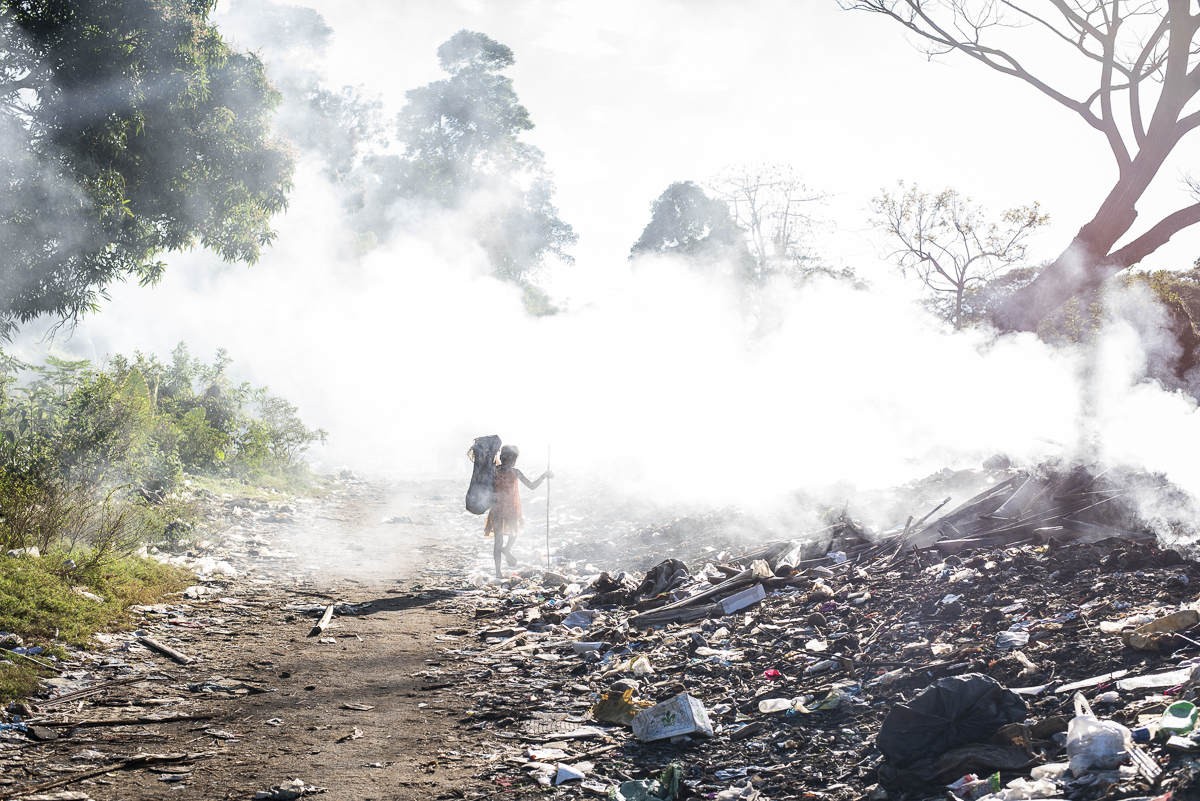
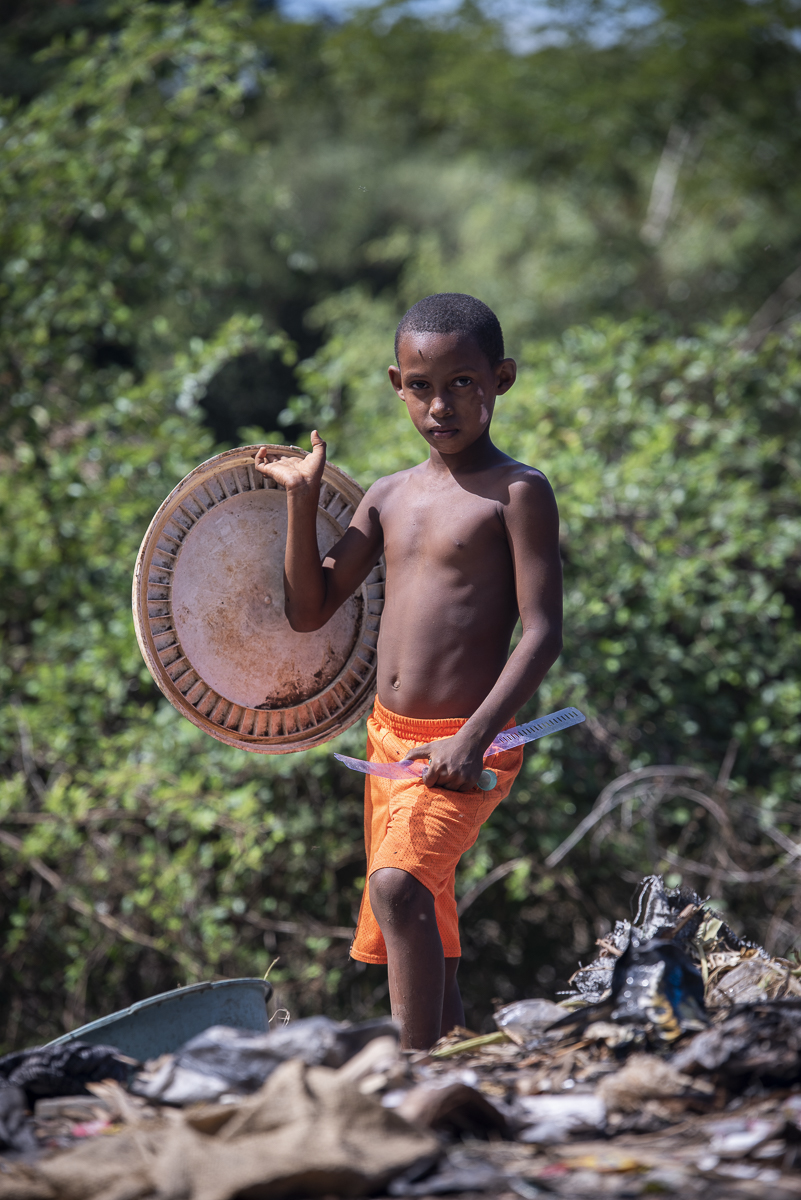
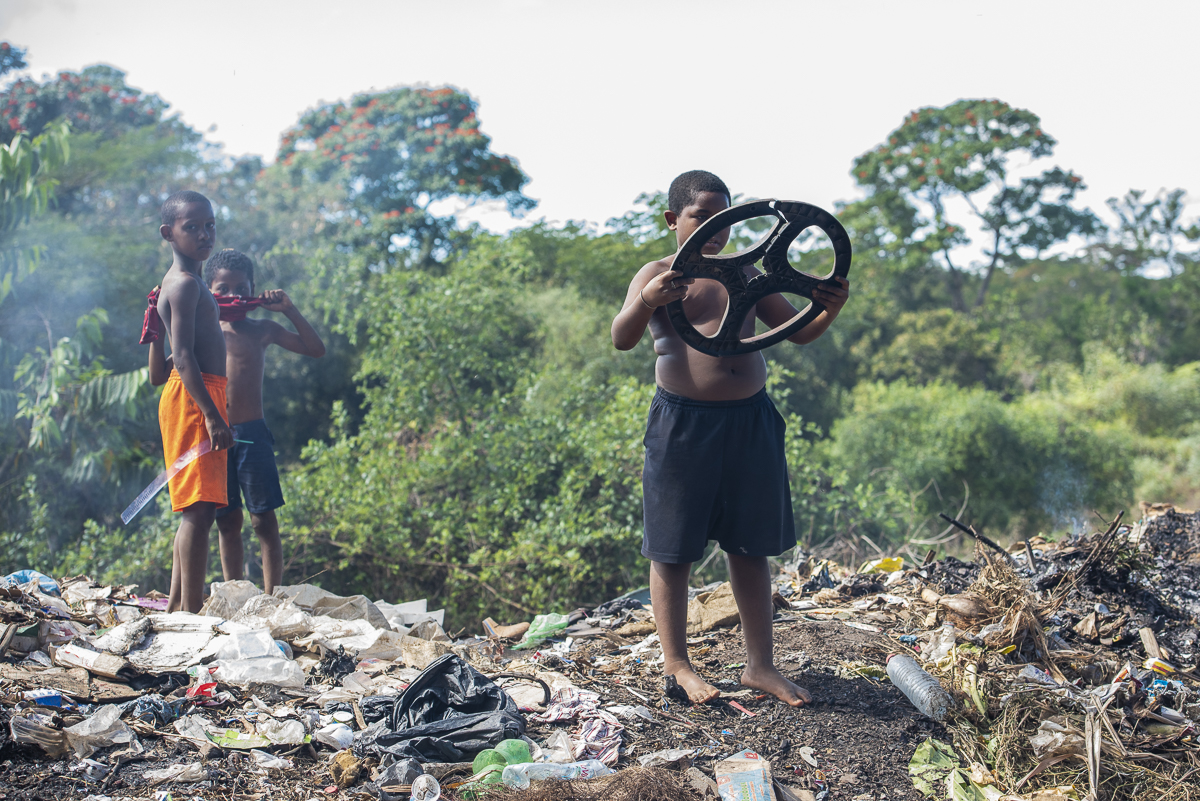
Children and families, often barefoot, pick their way over the burning piles, looking for items they can sell on or reuse. Aluminium cans are particularly sought after as they can sold to metal working factories.
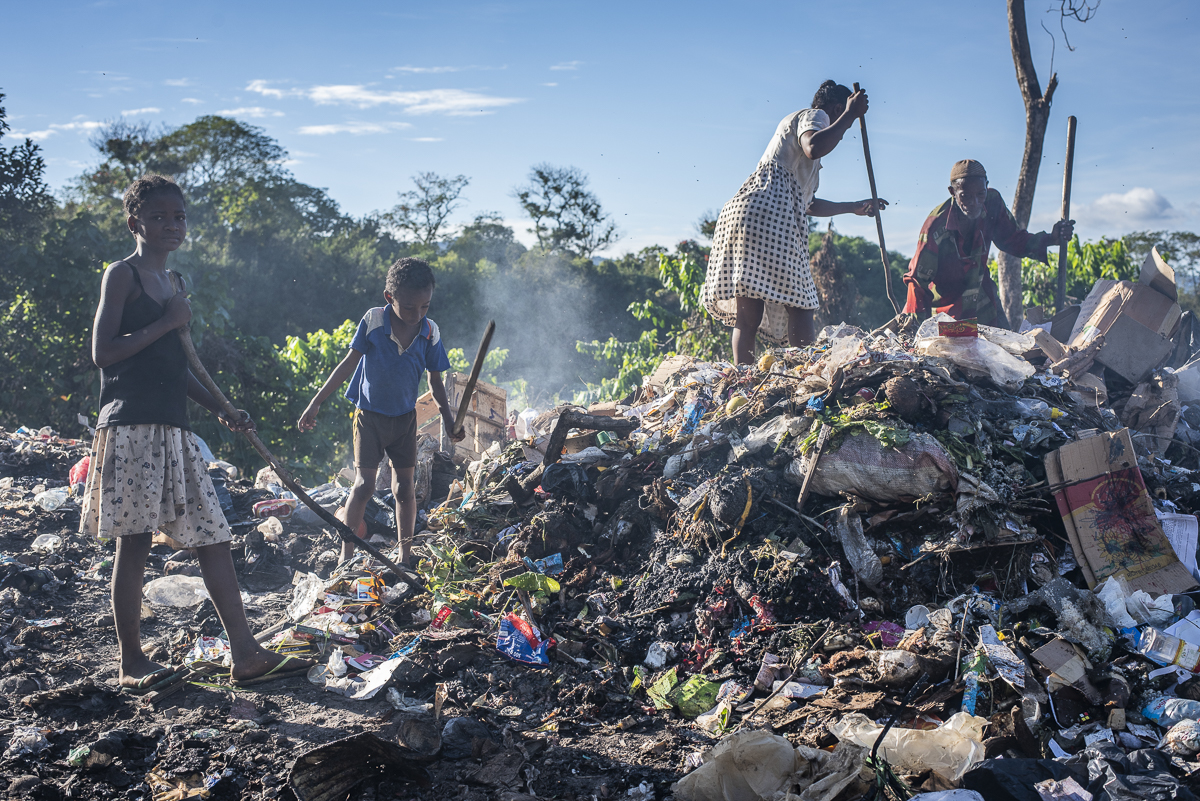
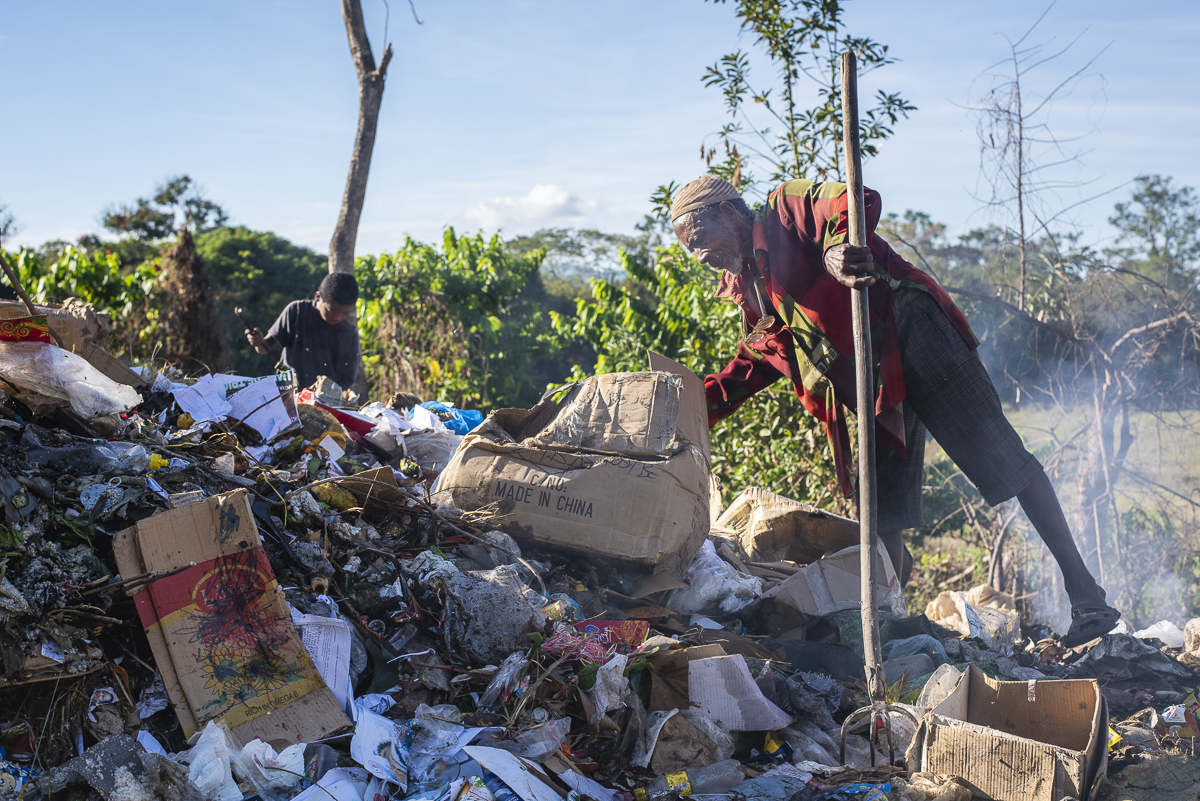
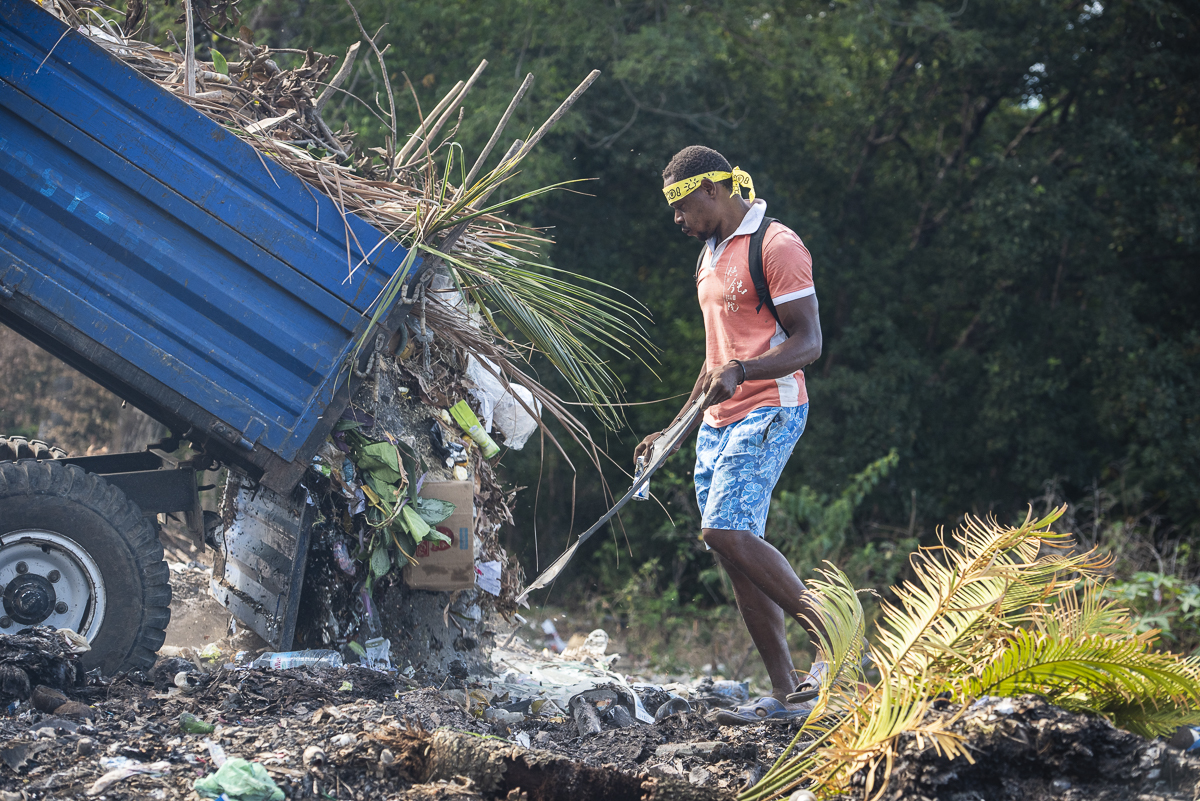
Even though the employees themselves are on a very low wage, if they see an aluminium can or something else useful they try to place them to one side to help those less fortunate than themselves.
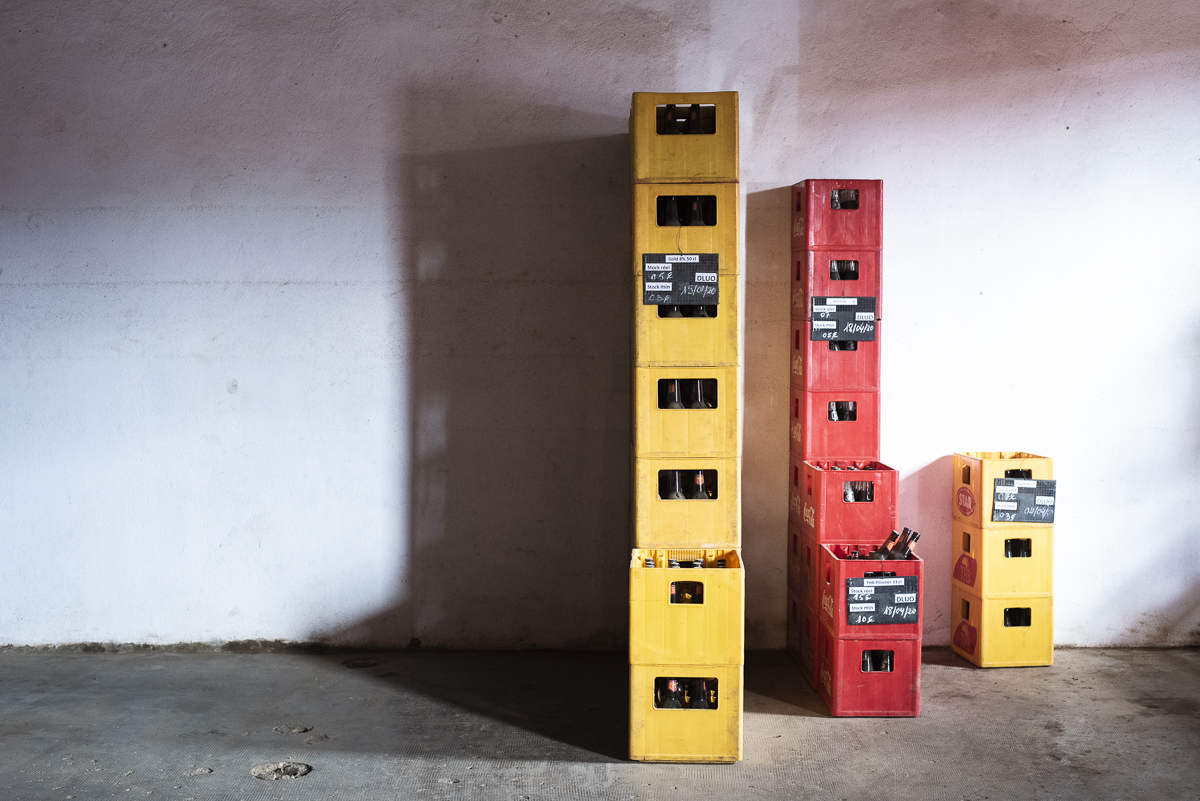
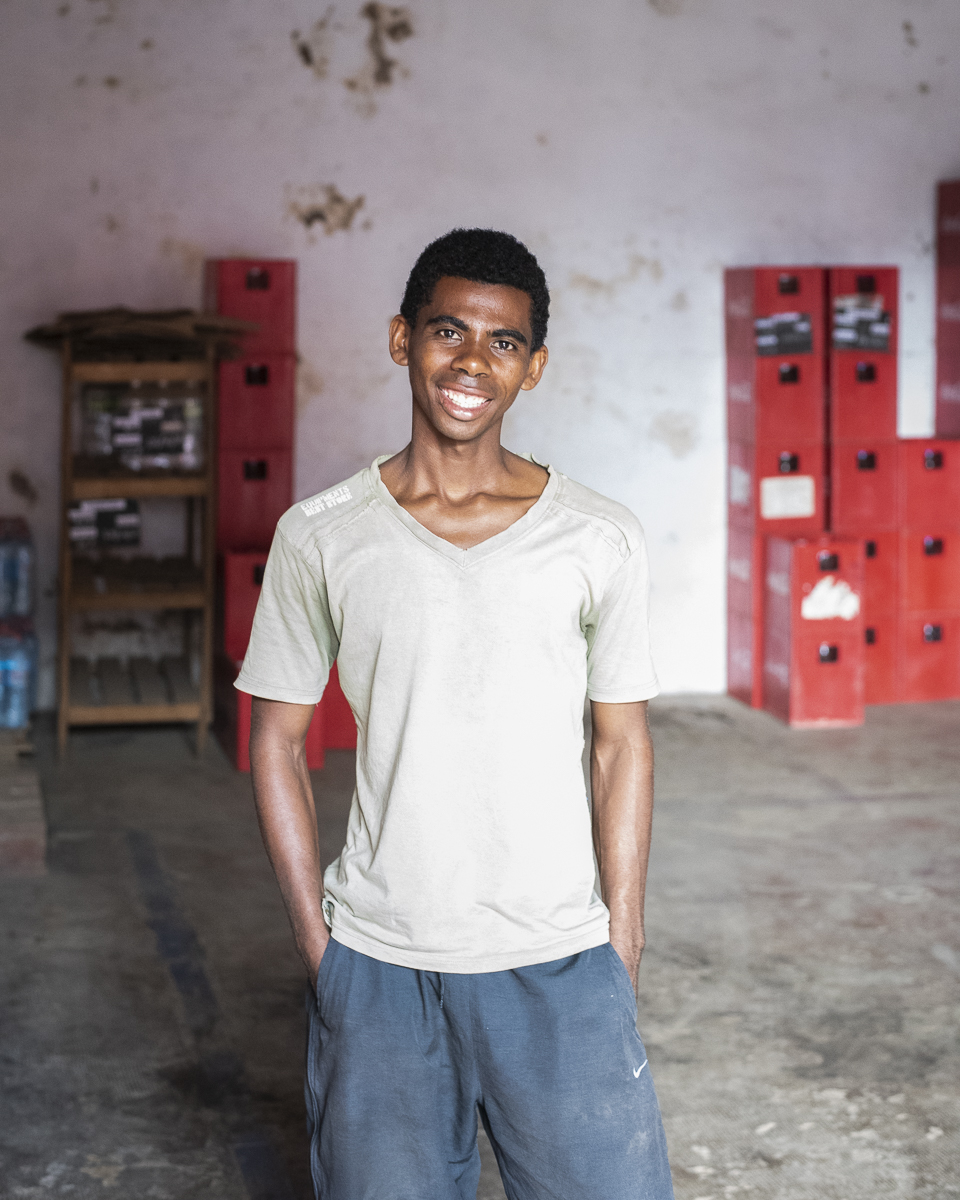
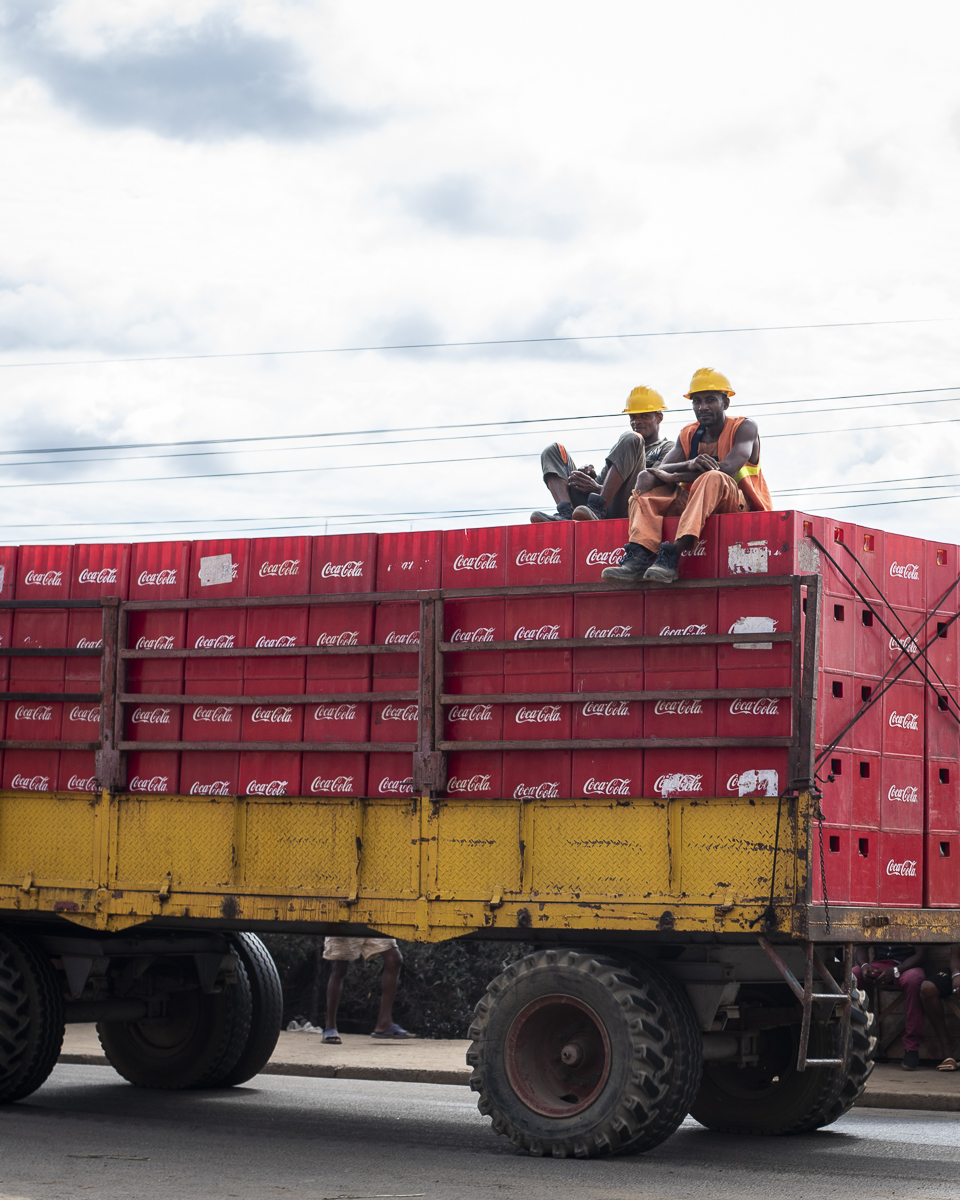
Glass bottles are another item that is reused. Customers are given an economic incentive to return their empty bottles, which are then returned to the factory and refilled.
In addition to this metals can also be sold to factories where they are melted down and used to create cooking pots or other useful items. Plastic bottles are reused to sell things like honey or sauces and other bits of discarded rubbish are used to make tourist trinkets.
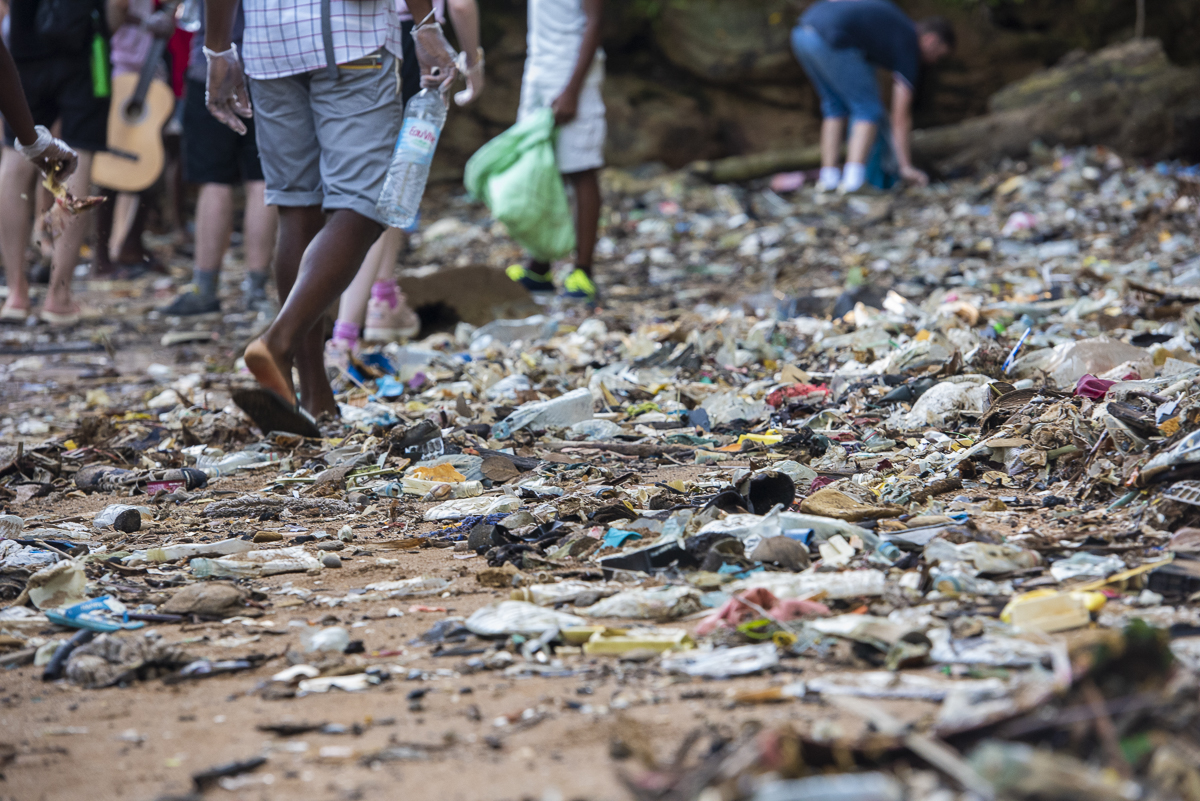
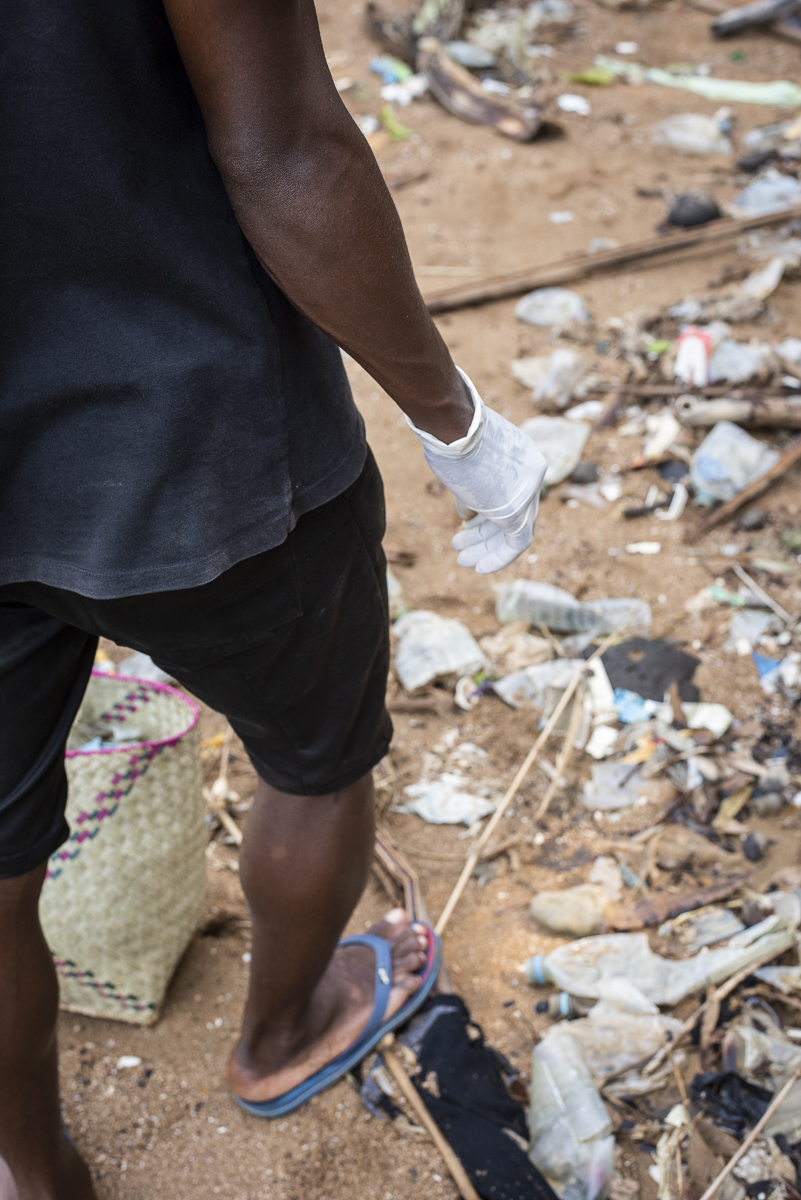
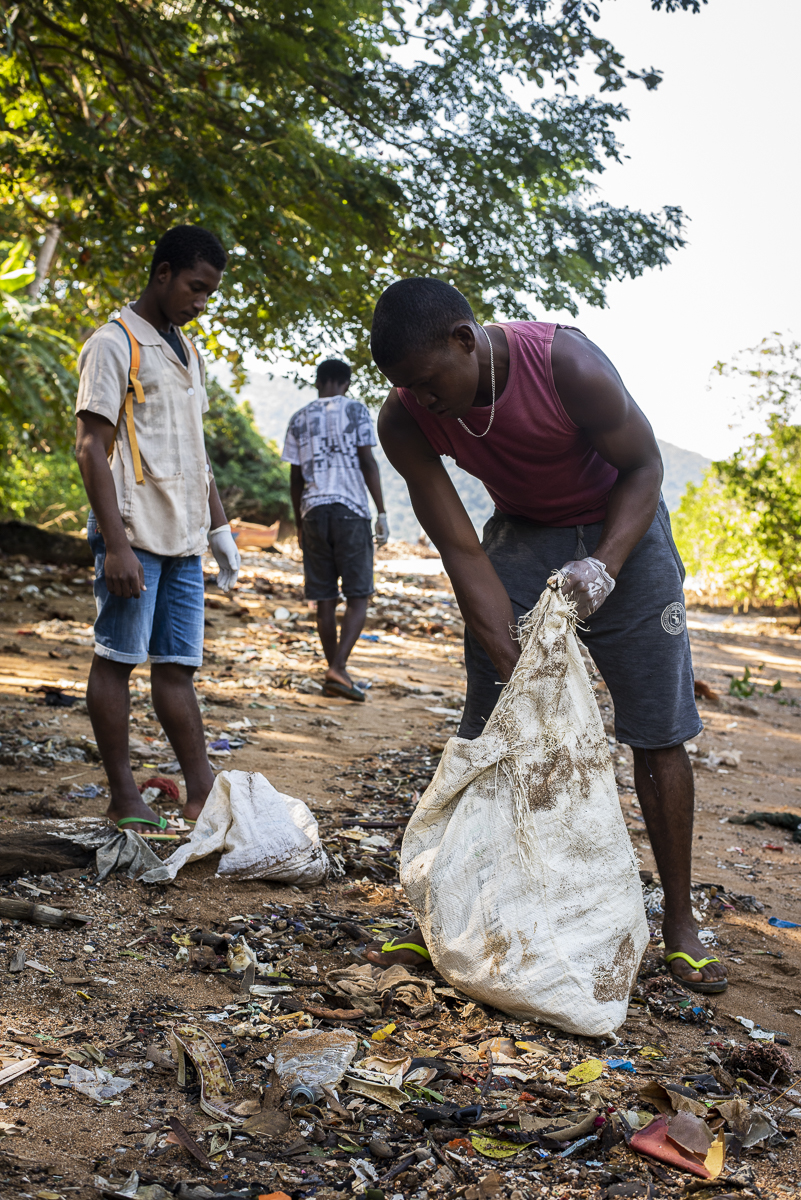
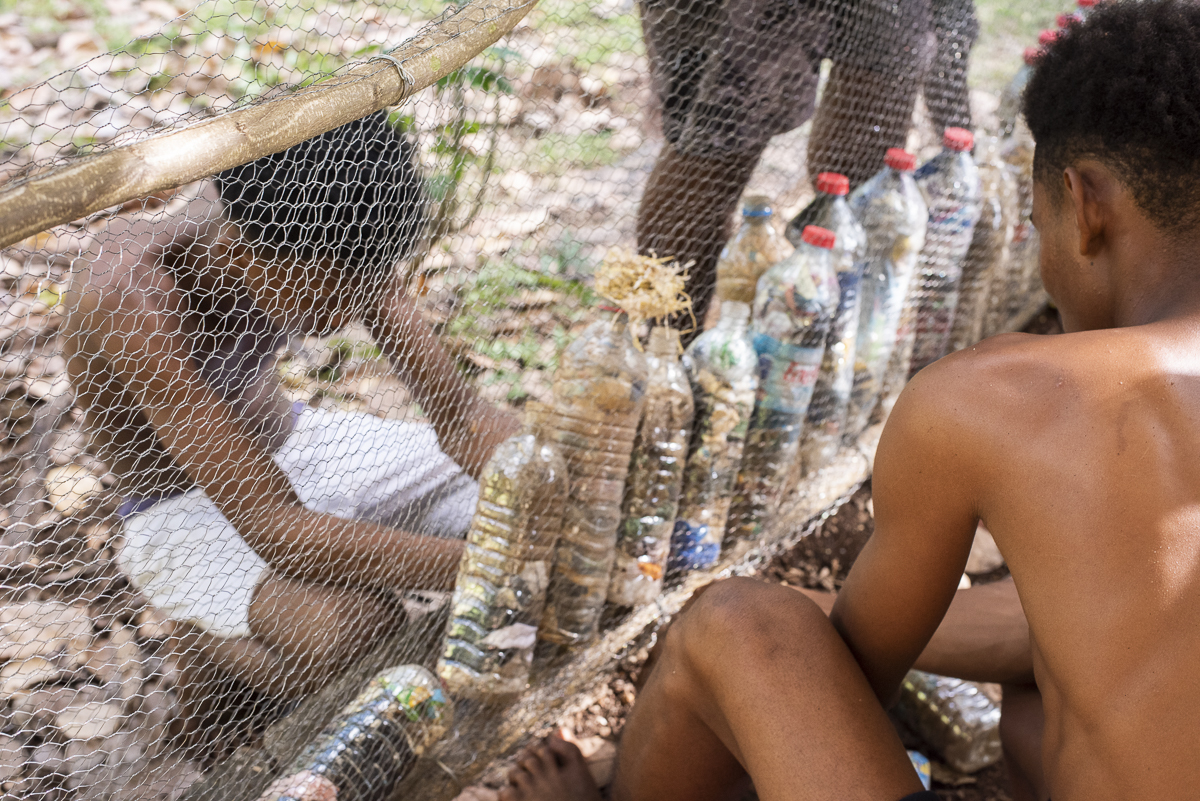
Frontier Madagascar, a conservation and development NGO specialising in volunteer placements, have been working with the local youth club, with schools and with villages to conduct litter picks and create Ecobricks (plastic bottles stuffed with other plastic waste to create a reusable building ‘brick’- find out more here).
This has involved overcoming the stigma attached to collecting rubbish and explaining the issues that plastic waste creates in the environment.
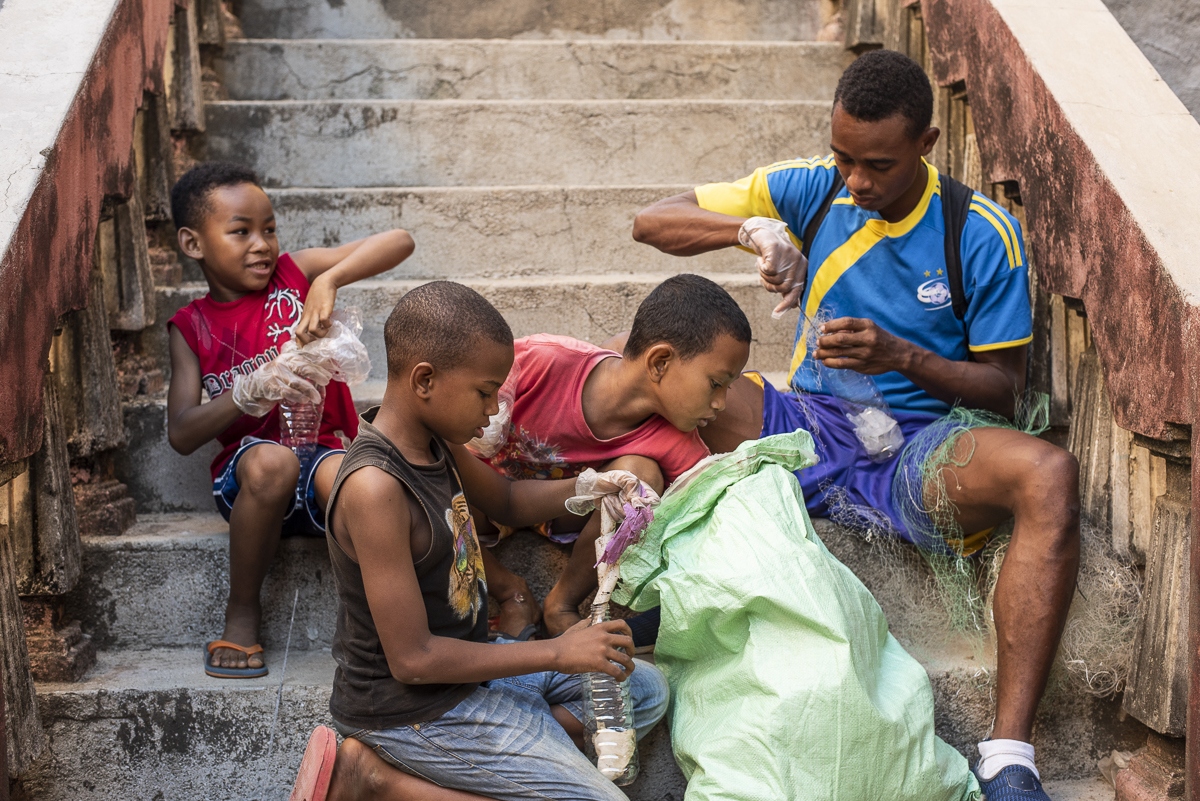
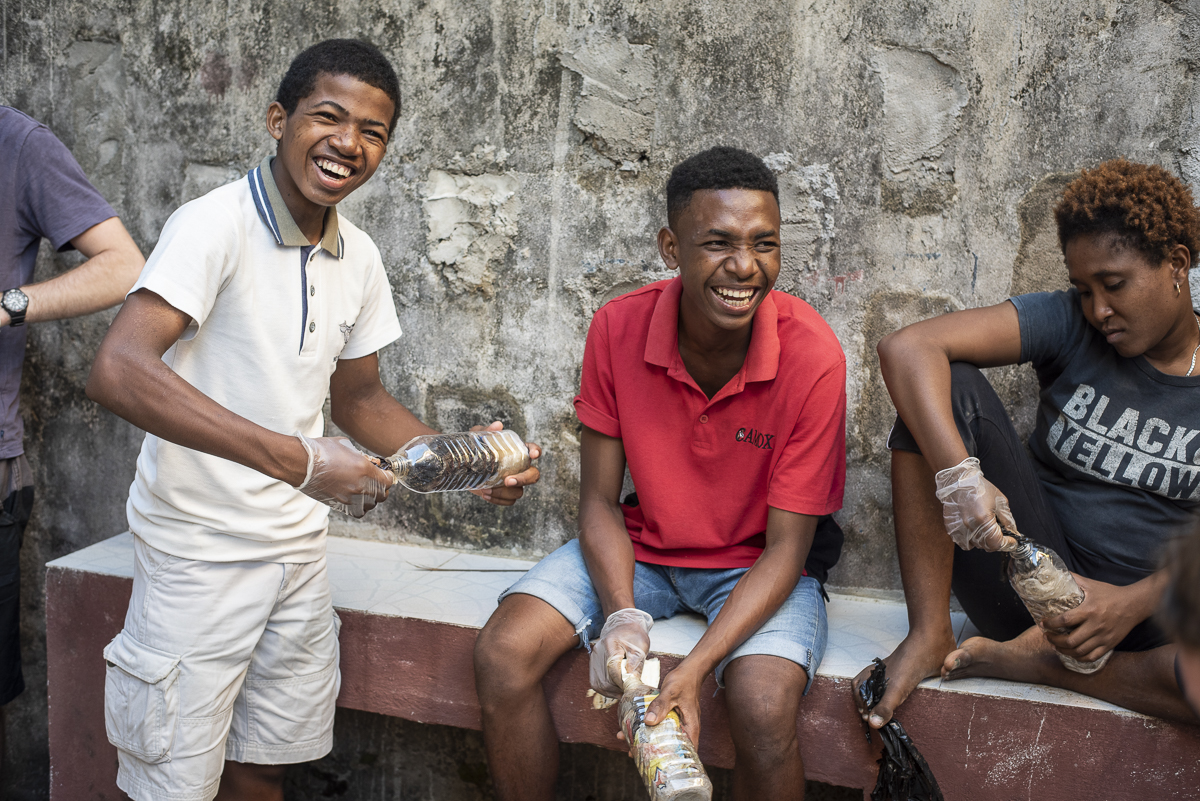
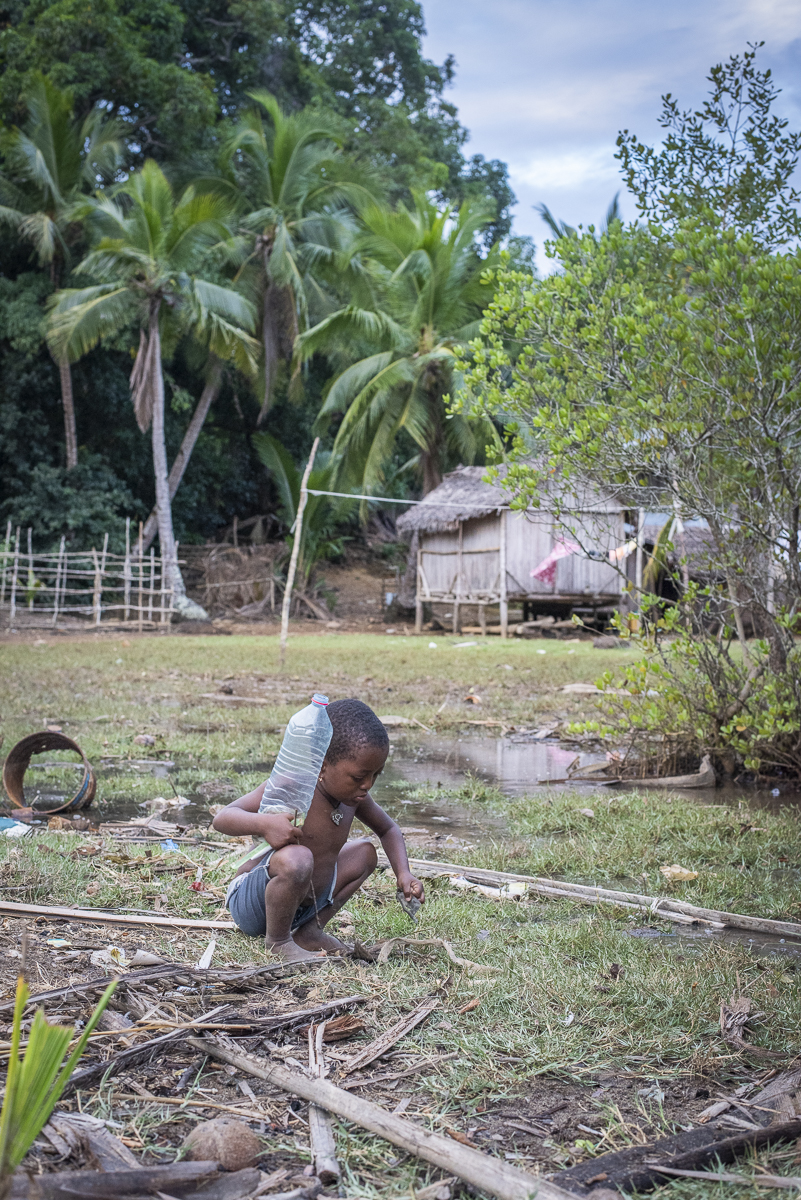
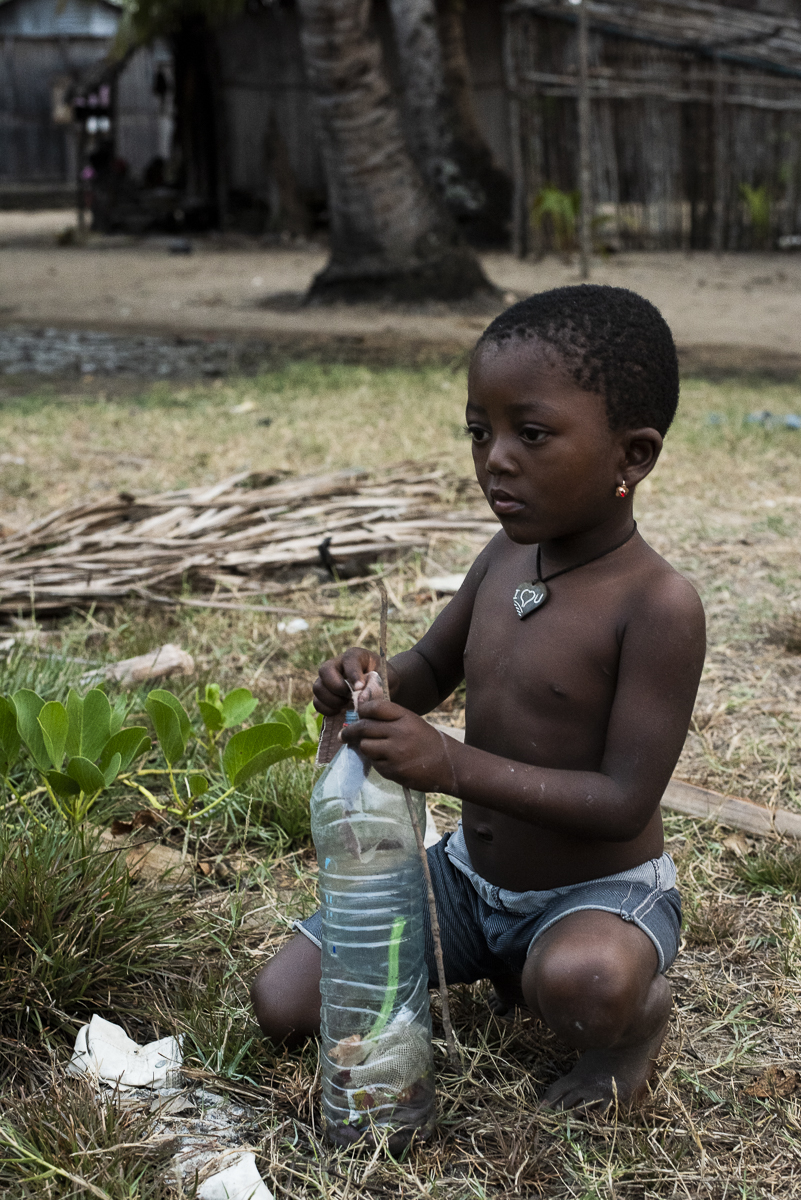
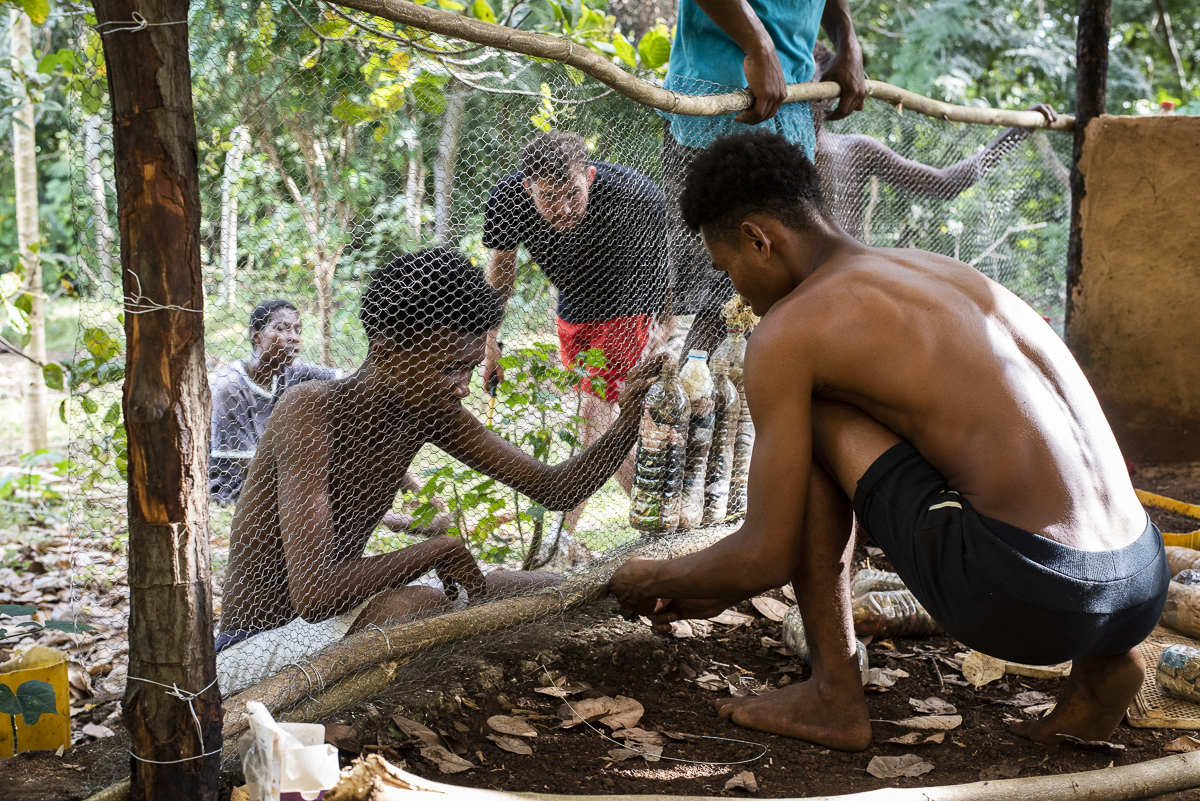
One of the recipients of Ecobricks was a local agricultural school. They had sadly lost their funding and wanted to grow more produce to sell for funds. The free roaming goats, however, had other ideas, so a wall built from ecobricks was constructed to help keep the goats away from the crops.
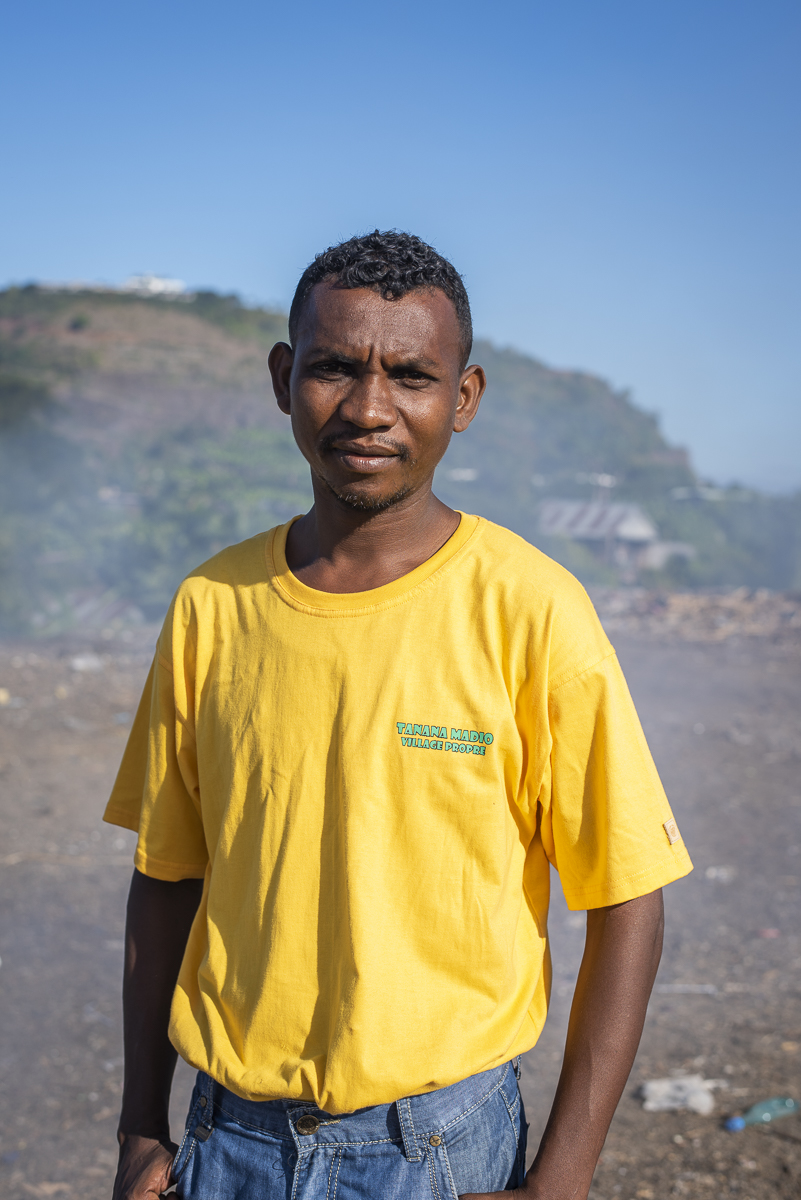
The Tanana Madio Association was set up in 1995 by hotel owners who wanted to clean up their local village. Tanana Madio, which means ‘Clean Village’ has set up bins and collection points around the village, cleans the beaches and maintains public toilets.
Using both trucks and zebu-drawn carts, the employees bring the collected waste to a designated dump where they sort through the rubbish.
The issue of waste is global, and whilst in more developed countries we have the luxury of better waste management, there is still something we can learn from the Malagasy in dealing with our waste.
As despite the huge piles of waste in the back streets of Nosy Be, and in places the desperate ways in which the people make their living, one thing that has become apparent is that the Malagasy are extremely resourceful. Things that can be reused almost always are, sometimes in very creative ways- something that in our throwaway society we can all strive to do more of.
From all the members of the local community that I met there was a continually growing desire and investment to make their home a more sustainable place to live, and despite the challenges they face I’d like to believe they will succeed.