
Facing the Batumi Bottleneck- Work in Progress
Thousands of raptors dodge bullets in their migration over Georgia.
Batumi, Georgia, 2017
Every autumn, the skies over Batumi, Georgia, fill with thousands of birds of prey as they make their way from the forests and plains of Russia to the warmer African climates for winter.
Their journey is not an easy one, once they reach Georgia the roughly one million birds of prey (raptors) in total must funnel through the Batumi Bottleneck, a 10km wide corridor between the Black Sea and the Lesser Caucasus mountains. This congregation of birds makes Batumi a dream destination for eagle eyed birdwatchers, however they share the mountaintops with locals raising guns and nets to the air instead of binoculars.
In 2017 I visited Batumi with Hidden World Productions to create a film in partnership with the Batumi Raptor Count (BRC), documenting the issue and the work that the BRC is doing in response.
I hope to revisit Batumi soon in order to complete my work on this topic.
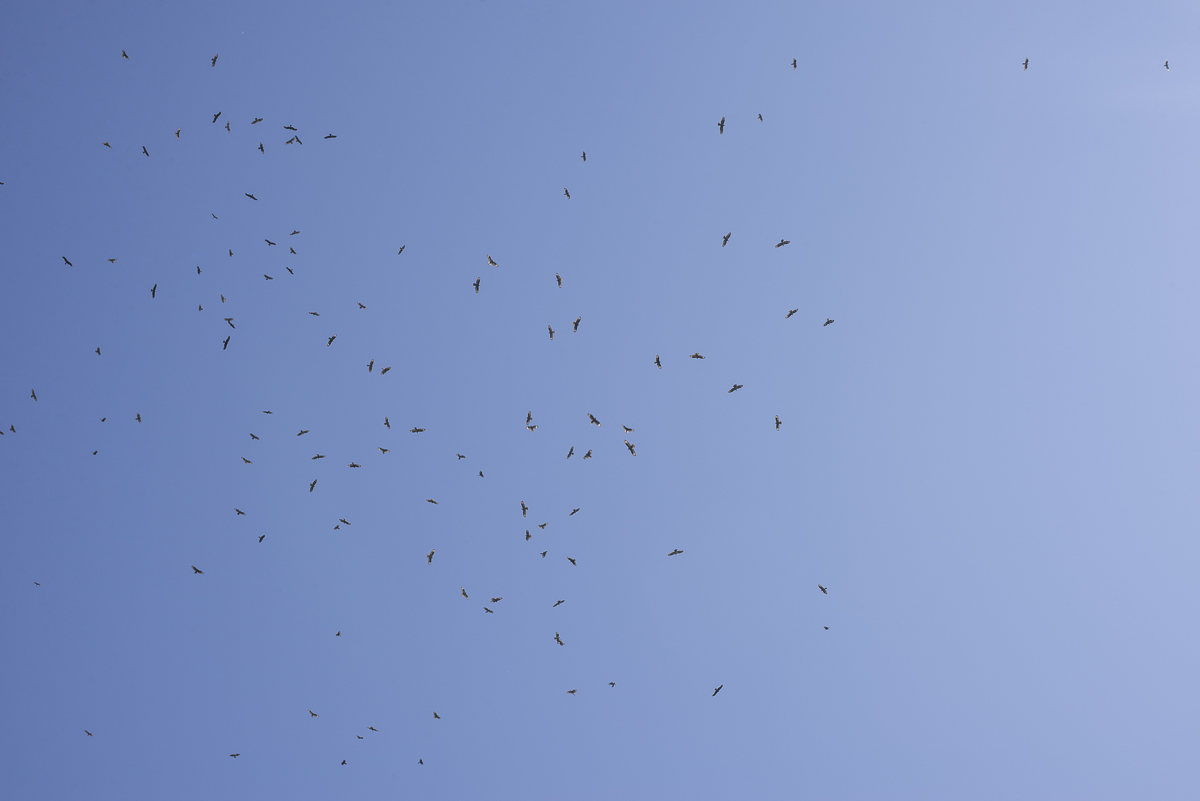
Some days, more than 100,000 birds can pass through
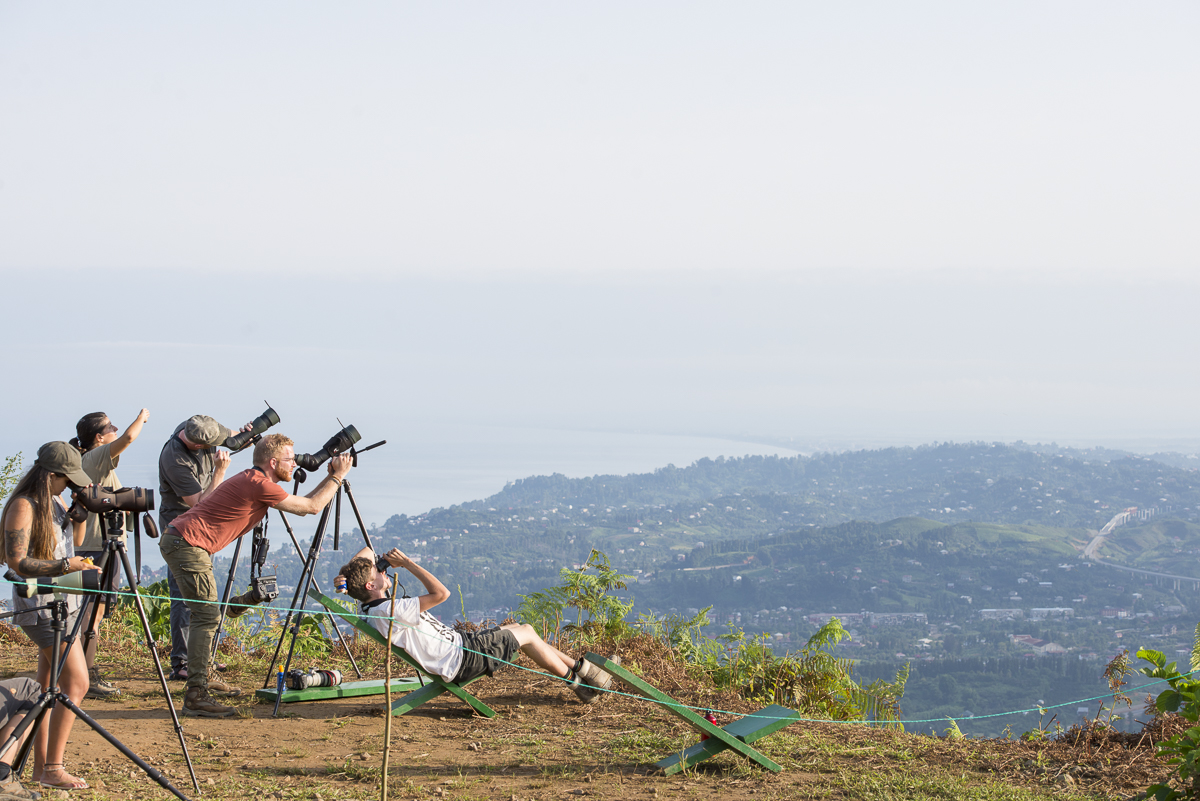
The Batumi Raptor Count at station 1 in the village of Sakhalvasho. Set up in 2008, the BRC is a nature conservation NGO that works to monitor and conserve the 1,000,000+ birds of prey that migrate every autumn through the Batumi Bottleneck.
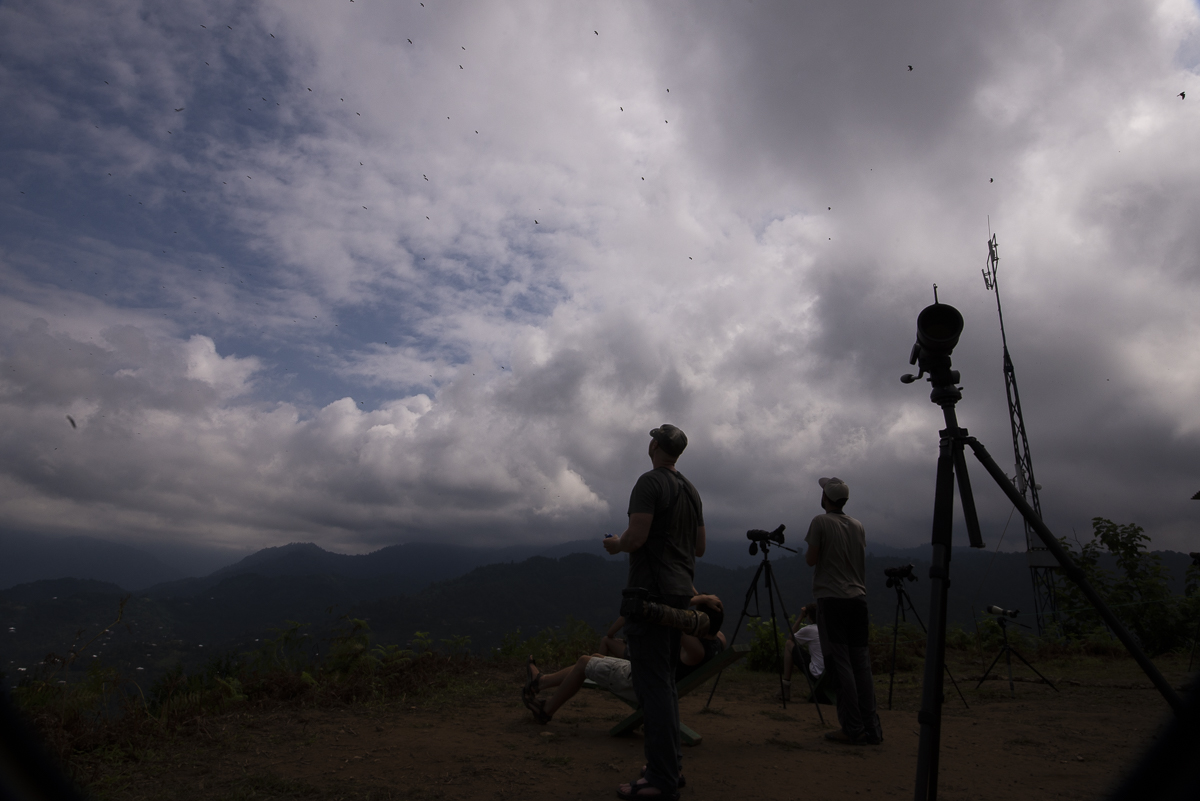
Volunteers of the BRC are tasked with identifying and counting the birds as they pass overhead. With the use of clickers they count the birds as they peel off from kettles- a birding term used to describe the behaviour of birds as they circle higher on thermals.
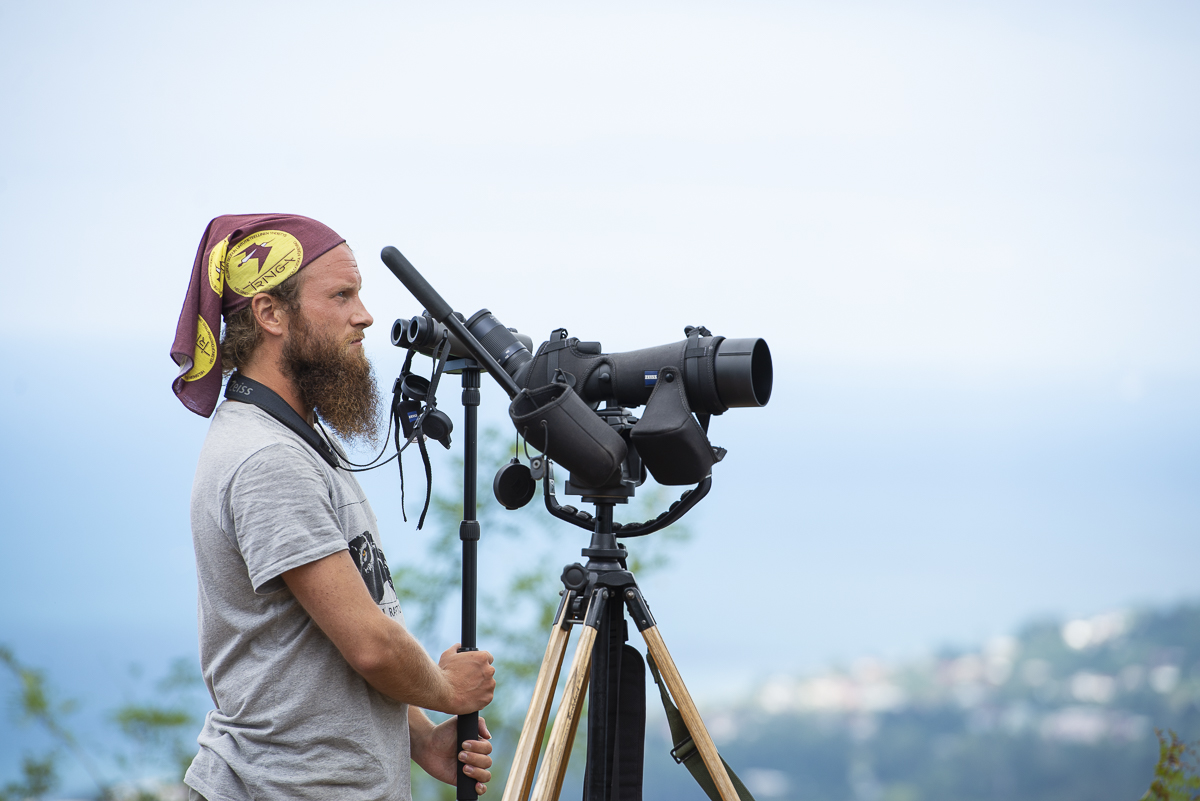
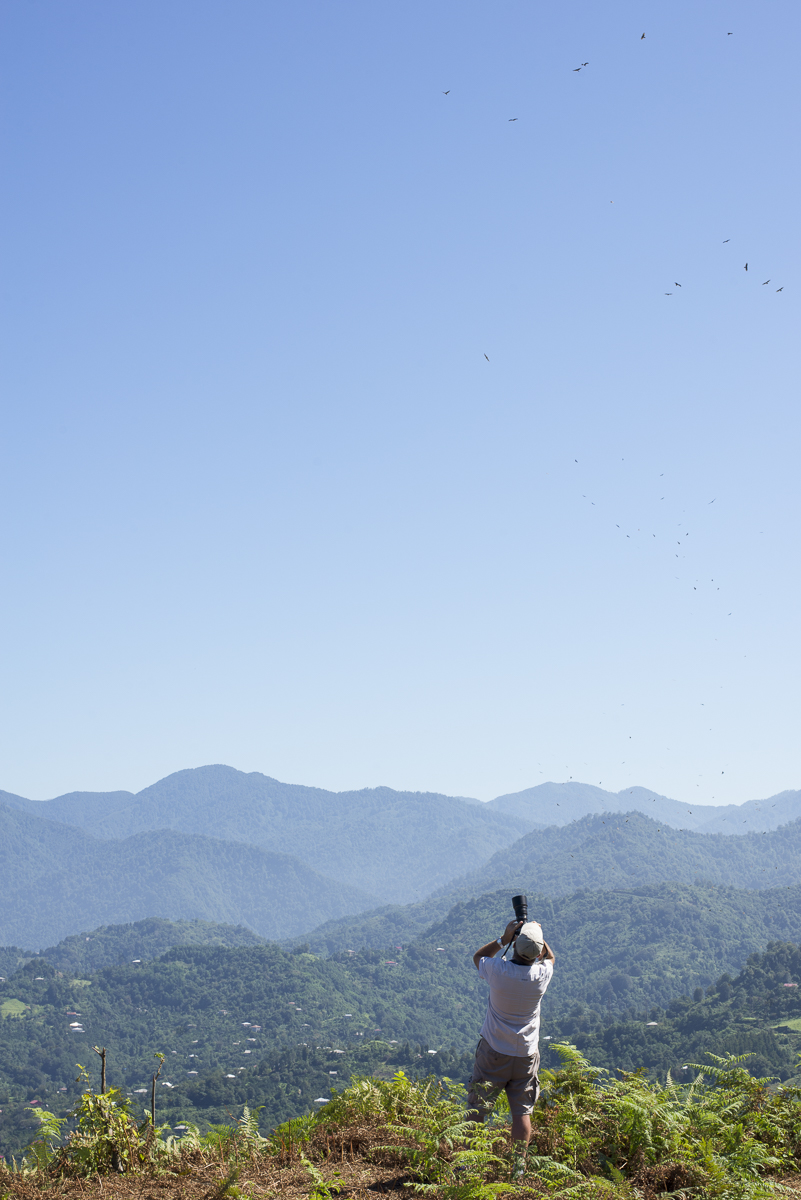
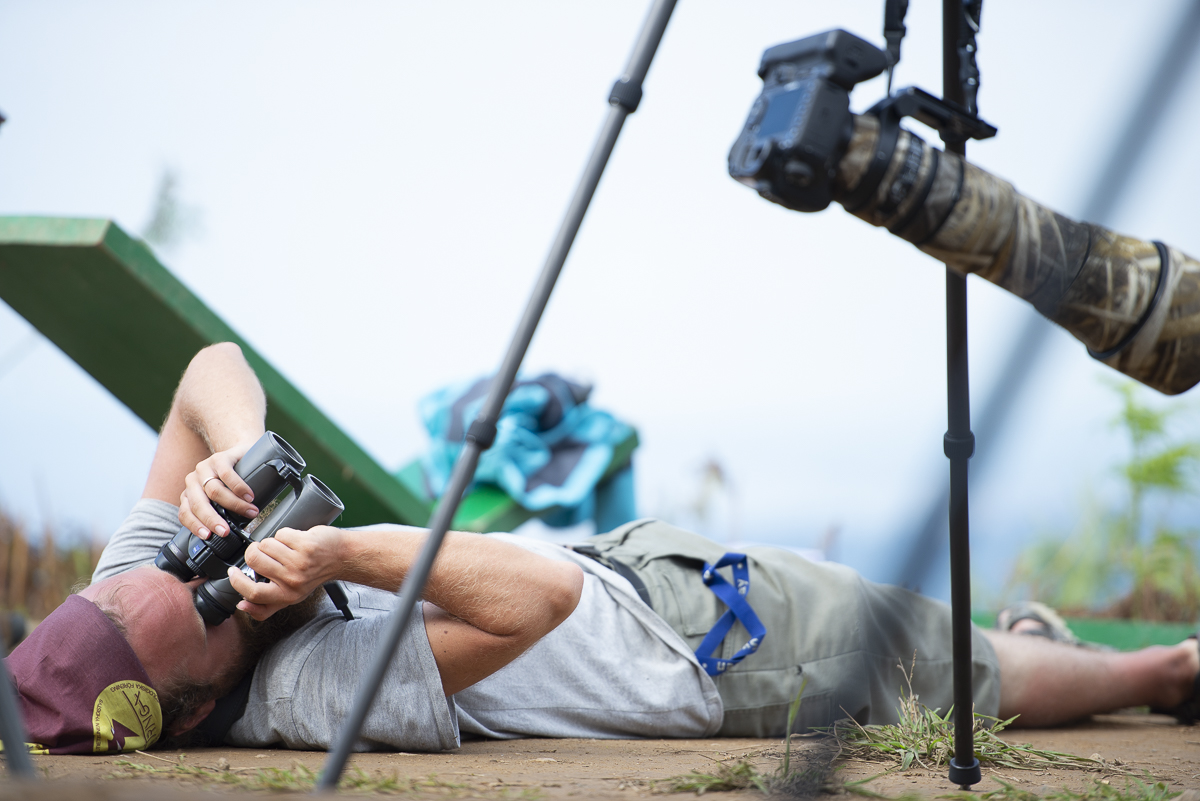
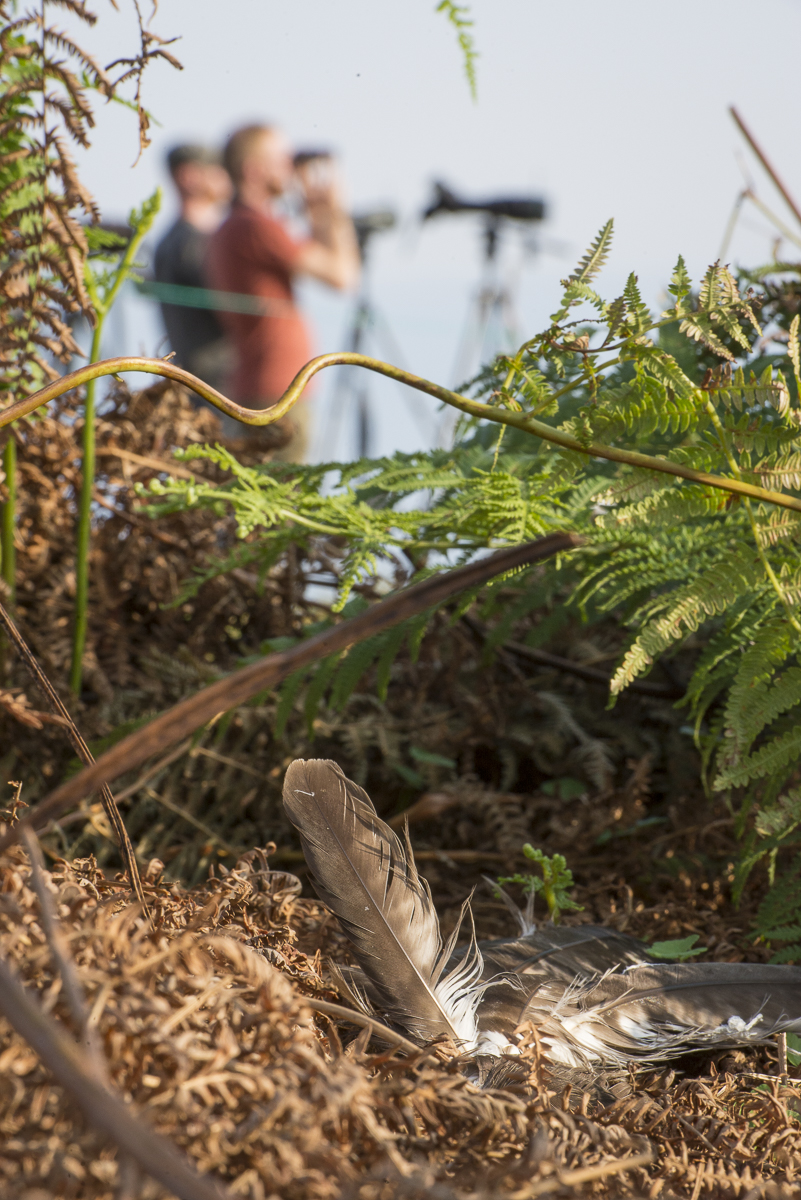
Whilst birders look skywards, the ground is littered with the bodies of raptors cut down mid flight. Some hunters eat their catch but many do not bother to collect the carcasses of their sport.
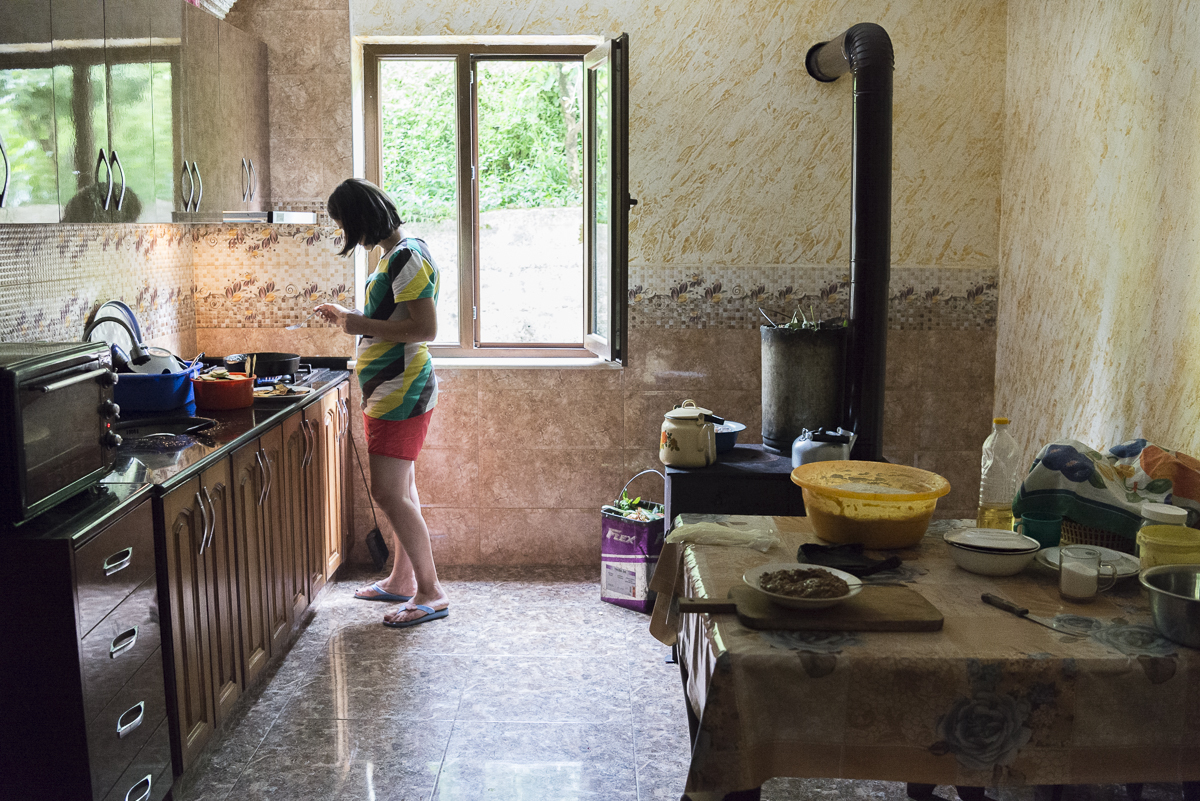
Elza, a guest house host, prepares dinner for her guests who have come to witness the migration spectacle. In a country where the socio-economic crisis overshadows any conservation issues, the Batumi Raptor Count have introduced an economic incentive to put down the guns in favour of hosting visiting birdwatchers and volunteers of the count.
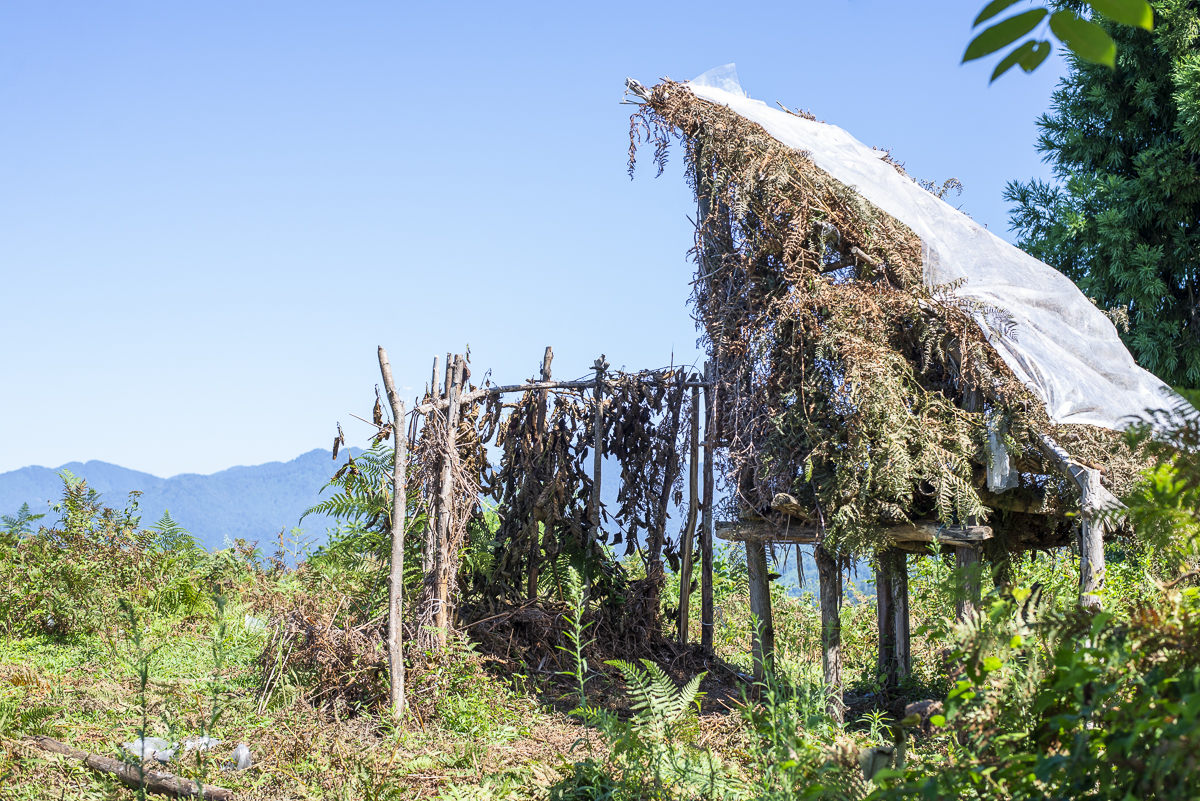
A hunter and trappers hide constructed on the mountain side.
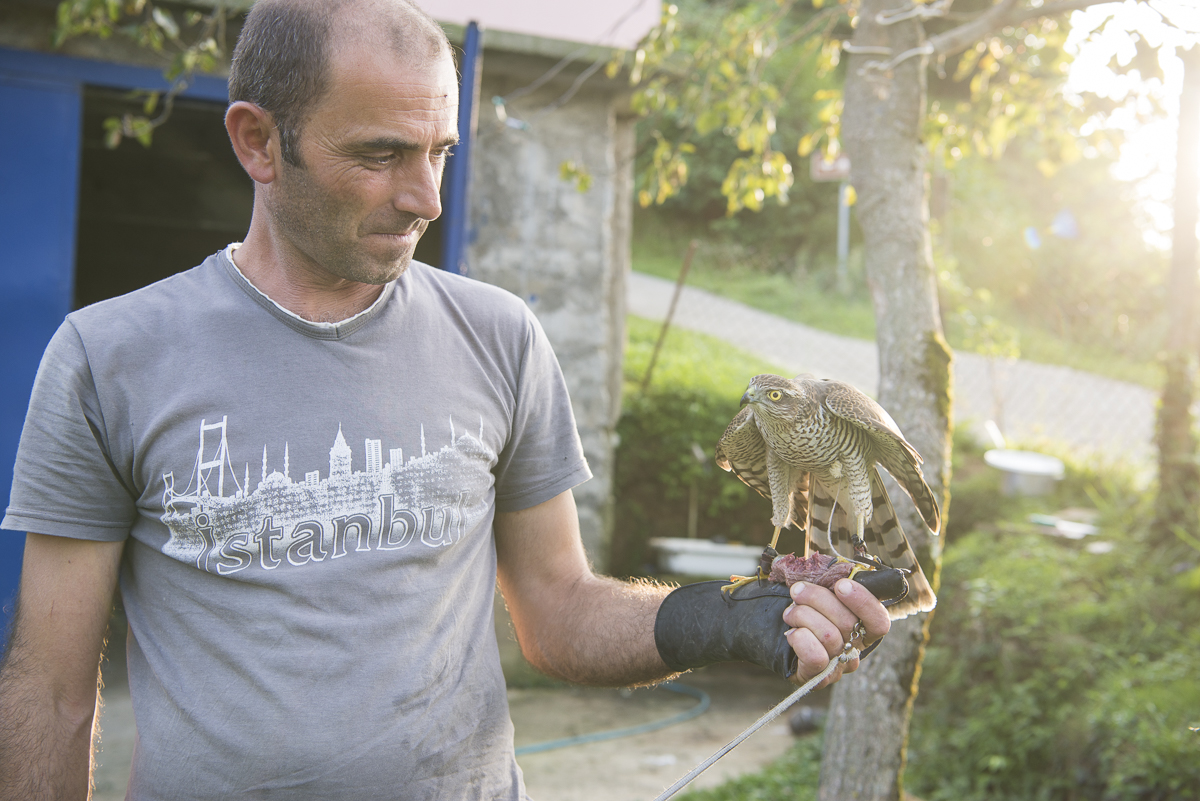
Gela, the village falconer, trains one of his captured birds. Falconry has long been a celebrated tradition, entrenched in Georgian culture. Only those with a licence can legally practise falconry, yet there are many who do not hold a licence. Trapping without a licence and hunting has long been illegal, however it has proved difficult to monitor. Research has shown that on average 13,000 raptors are killed every year.
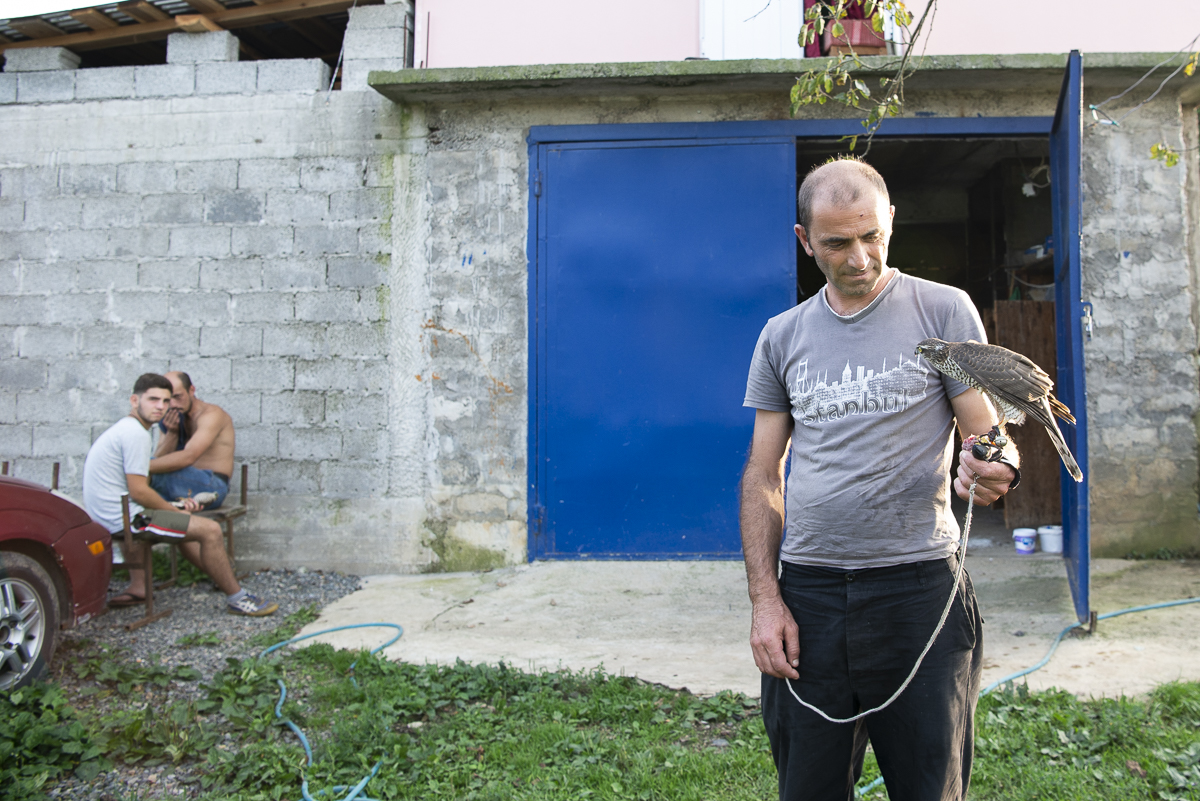
In the garage behind, Gela keeps several red-backed skrike- the small bird most popularly used as bait to draw the raptors in. They are tied to a stick which is then waved above the hide to capture the attention of the raptors. Small patches or disks are glued over their eyes which stops the bird from seeing an approaching predator and triggering unwanted escape behaviour.
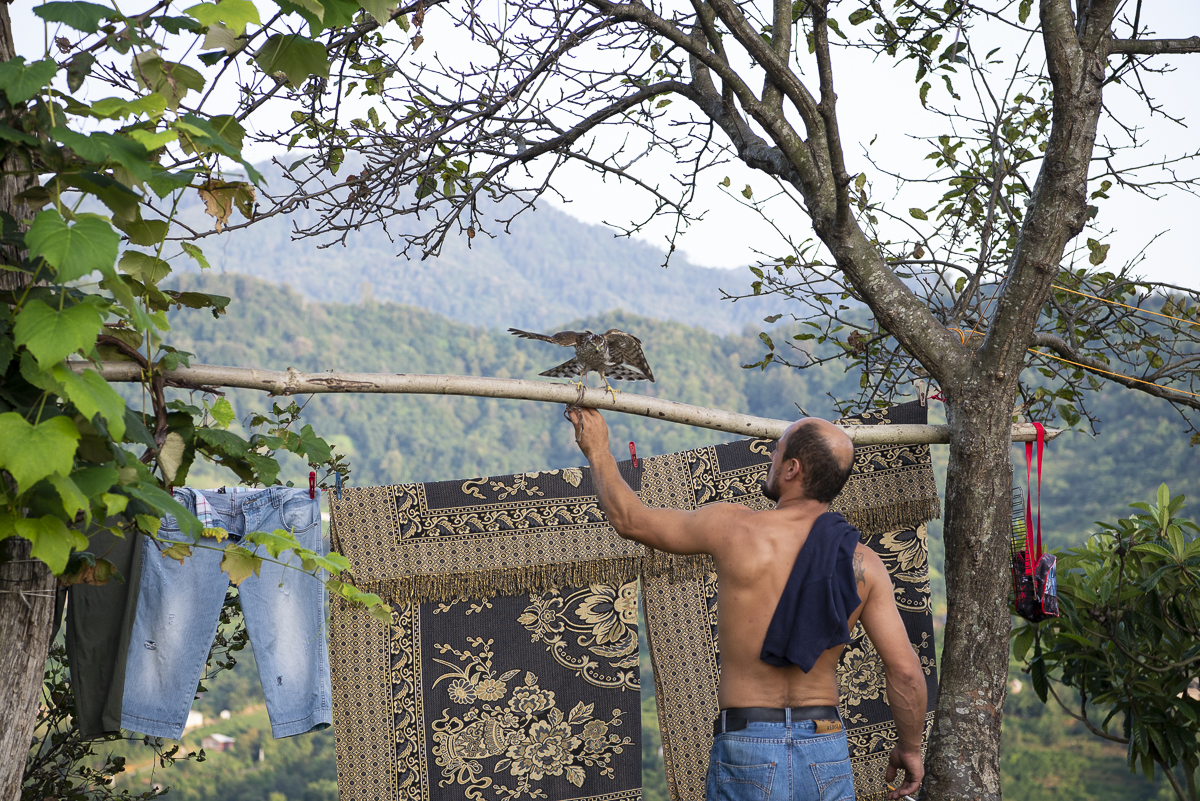
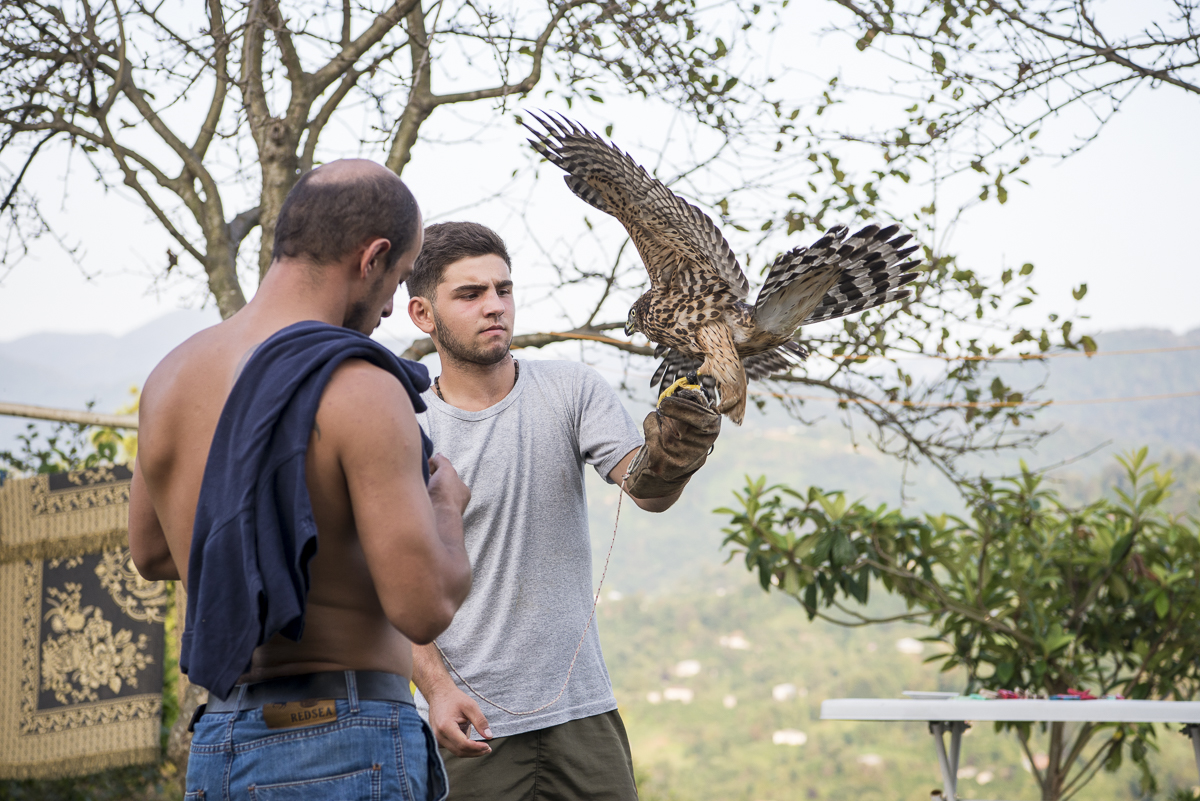
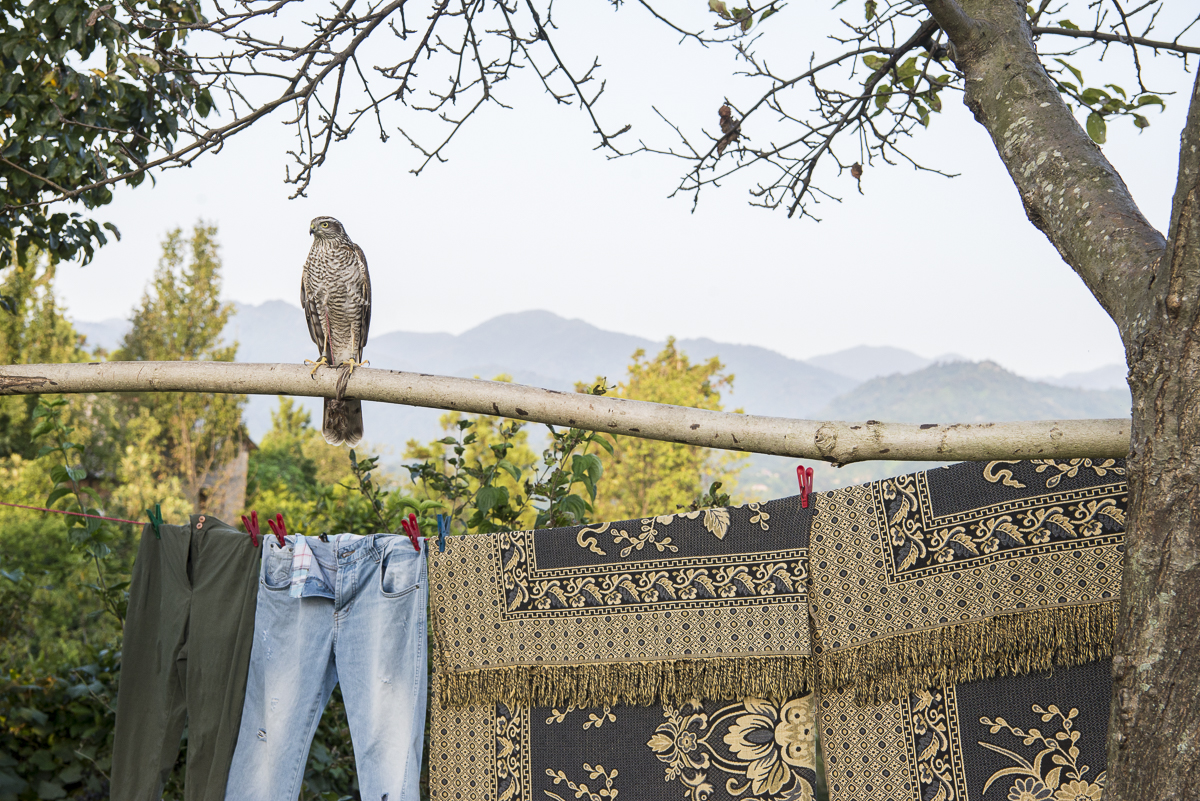
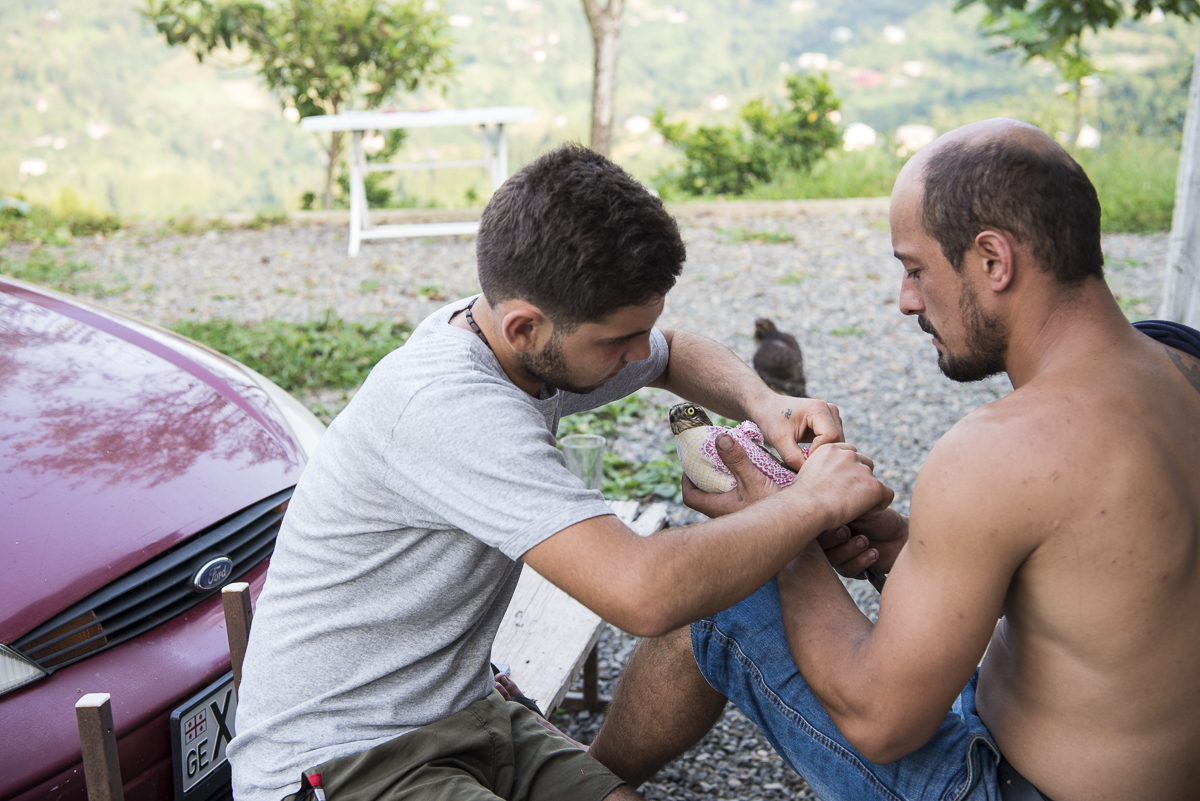
Freshly caught birds are wrapped up in order to temporarily store them until it’s decided whether to keep them or not. Gela already had number of species of raptor kept on perches around the yard and indicated he was selective about which birds he kept.
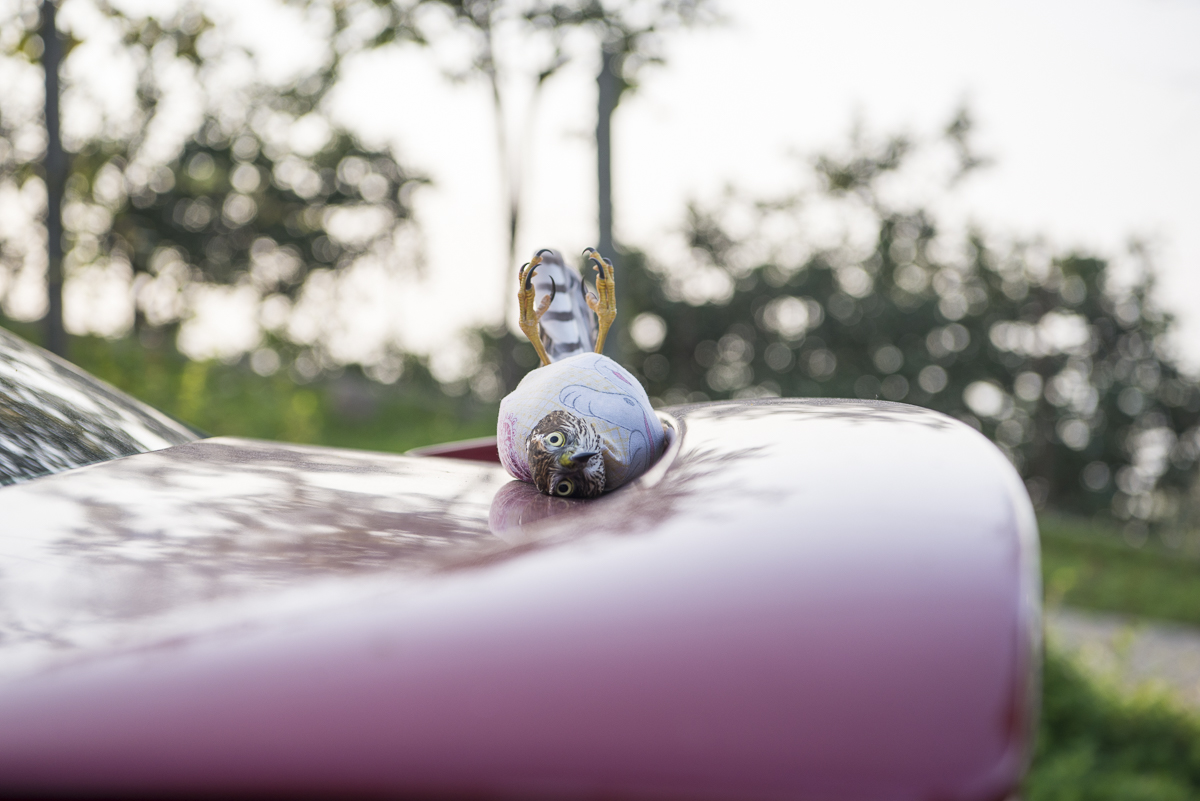
Eventually this sparrowhawk was not deemed worthy of training and was later released.